
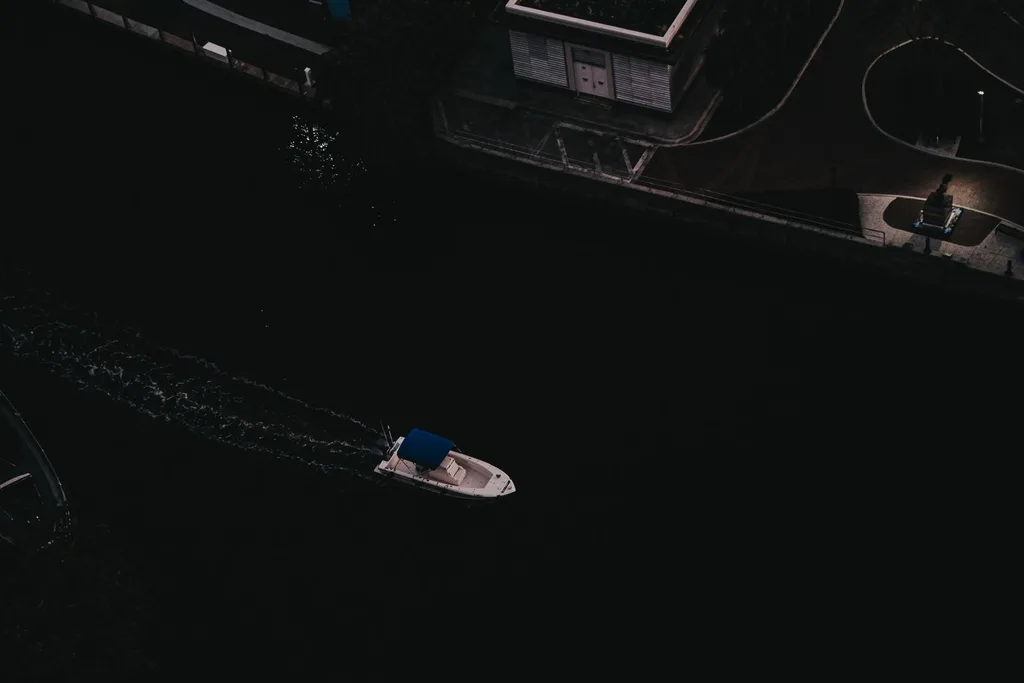
Boating at night can be peaceful and beautiful, with calm water, quiet anchorages and clear skies, but it is also more demanding than daytime boating. Distances are harder to judge, hazards are harder to see, and other boats may not see you. Night boating is safe when you prepare properly, slow down, and use your lights, lookout and navigation carefully. This guide covers the checks and habits that make a night trip enjoyable instead of stressful.
Plan Your Night Trip in Daylight
Good night boating starts before sunset. Plan your route in daylight, check the weather and tide times, and make sure you know the area well enough to navigate it in the dark. Unfamiliar waters, shallow areas, rocks and narrow channels are all harder to judge at night, so stick to routes you know, or study the chart carefully and mark the hazards in advance. Tell someone ashore your plan, your route and your expected return time, and make sure your safety equipment is checked before you leave. Our boat safety equipment checklist covers the gear to run through, and it matters even more after dark.
Check your fuel, battery and engine before you leave, because a breakdown at night is harder to deal with than one in daylight. Make sure you have enough fuel for the trip plus a reserve, and that your battery is charged and your lights will run for the whole trip. Carry spare torches and batteries, a handheld VHF radio if you have one, and warm clothing, because temperatures drop after sunset and a cold, tired crew makes poor decisions.
Navigation Lights and Visibility
Navigation lights are the most important safety feature on a night boat, because they tell other boats where you are, which way you are moving, and what type of vessel you are. Test every light before you leave the dock, including the port and starboard sidelights, the stern light and the masthead or anchor light, and carry spare bulbs. If a light fails while you are out, fix it if you can, or use a torch and a white light to make your position clear while you head for the nearest safe place. Never go out at night with no lights, and never use lights that could be confused with navigation lights, such as bright deck lights that dazzle other skippers.
Make your boat visible in other ways too. Reflective tape on life jackets and on the boat itself helps other boats spot you, and a radar reflector makes you more visible to larger vessels. Wear life jackets after dark, because a person in the water at night is extremely hard to find, and a life jacket with reflective tape and a whistle gives rescuers a far better chance. Use a red torch or a dim light when you need to read a chart or check equipment.
Keep a Proper Lookout and Slow Down
At night, your lookout matters more than your speed. Post a dedicated lookout, or take turns keeping watch, and look and listen constantly for other boats, buoys, floating debris, and the sound of breaking water on a shore. Give your eyes time to adjust to the dark, usually 20 to 30 minutes, and avoid looking at bright lights, phone screens or chartplotter screens at full brightness, because they destroy night vision.
Slow down to a speed where you can stop or turn in time if something appears ahead. At night, distances are deceptive, and a light that looks far away can be much closer than you think. Keep well clear of shipping lanes and ferry routes where possible, and cross them at right angles and with extra care. If you are unsure about a light or a sound ahead, slow down or stop until you understand what it is. Arriving late is always better than arriving in a collision, and a cautious skipper is a safe skipper after dark.
Navigate Carefully After Dark
Navigation at night needs more care, because you cannot see landmarks, buoys and hazards the way you can in daylight. Use your chartplotter, compass and charts together, and check your position regularly rather than relying on a single source. Learn the light characteristics of the buoys and marks on your route, such as their colour, flashing pattern and period, so you can identify them in the dark. Keep a paper chart and a compass as a backup, because electronics can fail, and a handheld compass and a torch are small items that can save a trip.
Stay in marked channels where possible, and be extra careful in shallow water, near rocks, and in areas with strong tides or currents. Tidal streams can push a boat off course at night, and a grounding in the dark is harder to recover from than one in daylight. If you are unsure of your position, slow down, check your chart, and if necessary, anchor in a safe spot and wait for daylight. Anchoring and waiting is a sensible decision, not a failure, and it is far safer than pressing on when you are lost. Our guide to anchoring basics explains how to anchor safely, which is a skill every night boater should have.
Anchoring and Mooring at Night
If you anchor overnight, choose a sheltered spot with good holding, check the depth and the tide, and set the anchor carefully before it gets fully dark if you can. Display an anchor light so other boats can see you, and keep a torch and a radio close at hand. Check your position after anchoring, and set an anchor alarm on your chartplotter or phone if you have one, so you are warned if the boat drags. Make sure everyone on board knows the plan if the anchor drags or the weather changes, and keep the engine ready to start if you need to move quickly.
Harbours can be confusing at night, with many lights ashore that can be mistaken for navigation marks, so take your time and ask for help on the radio if you are unsure. A slow, careful approach is the mark of a good skipper, and it is far better than a rushed arrival that ends in a collision with a pontoon.
Crew, Fatigue and Emergencies at Night
Fatigue is a real risk on night trips, because it is easy to underestimate how tiring it is to stay alert in the dark. Keep trips shorter than you would in daylight, take breaks, share the lookout, and make sure the skipper is rested before the trip. Avoid alcohol entirely, because it impairs judgement and night vision, and it increases the risk of a fall overboard. Brief your crew before you leave, including where the life jackets, torch, radio and first aid kit are, and what to do if someone falls overboard. A person in the water at night is hard to see, so the first actions, shouting, throwing a float, marking the position, and turning the boat, need to be practised and understood by everyone on board.
Carry the extra gear that night trips need, including spare torches, batteries, a handheld VHF radio, a whistle, and a way to keep warm. Check the boating in bad weather guide as well, because weather can change quickly at night and you need to be ready to head for shelter. If conditions worsen, if you feel tired, or if anything feels wrong, the safe choice is to anchor, moor up, or head for the nearest harbour and wait for daylight. Night boating rewards preparation and patience, and the boats that enjoy it most are the ones whose skippers plan carefully, slow down, and keep a proper lookout.
- Test every navigation light before you leave, and carry spare bulbs and torches.
- Slow down, post a lookout, and protect your night vision.
- Wear life jackets, stay in known channels, and anchor if you are unsure.
- Keep trips short, share the watch, and avoid alcohol entirely.
Is it safe to boat at night?
Night boating is safe when you prepare properly, know the area, test your lights, slow down and keep a proper lookout. It is riskier than daytime boating, so stick to familiar waters, keep trips shorter, and anchor or head for harbour if conditions worsen or you feel tired.
What lights do I need for night boating?
You need port and starboard sidelights, a stern light and a masthead light while under way, and an anchor light when anchored. Test every light before you leave, carry spare bulbs, and avoid bright deck lights that can dazzle other skippers or ruin your night vision.
How fast should I go at night?
Go only as fast as you can stop or turn safely if something appears ahead. Distances are deceptive in the dark, so slow down well below your daytime speed, keep a dedicated lookout, and reduce speed further near harbours, channels and other boats.
What should I do if I get lost at night?
Slow down, check your position on the chartplotter and paper chart, and look for familiar lights and marks. If you are still unsure, anchor in a safe spot and wait for daylight rather than pressing on. Tell someone ashore if you can, and keep your radio and lights on.
One thought on “Night Boating Safety Tips Every Boater Should Know”