
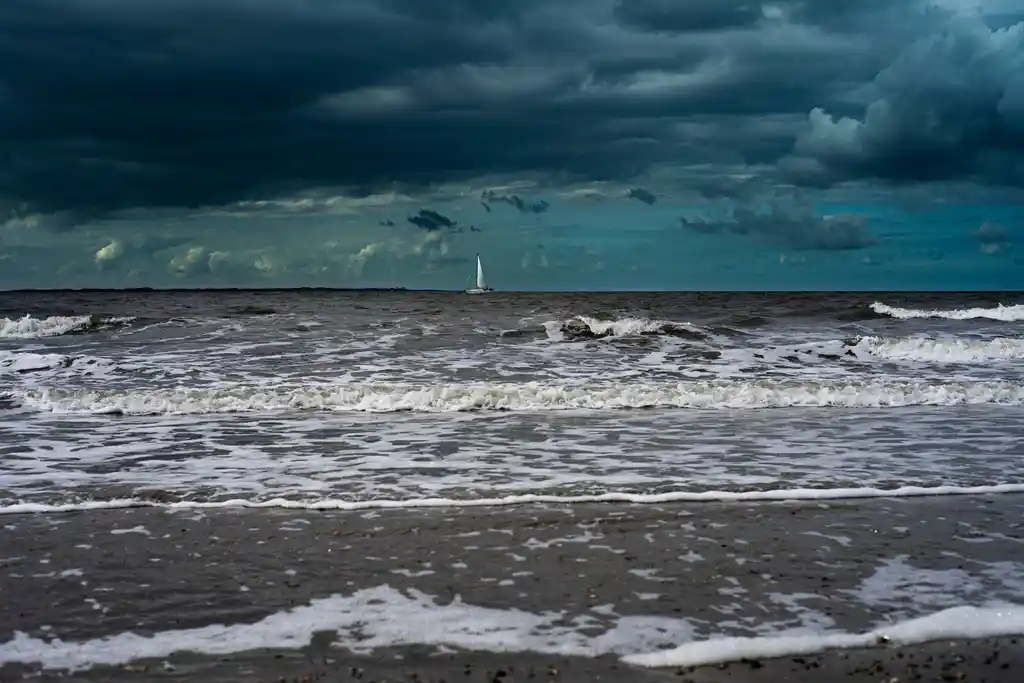
Bad weather is the most common reason a pleasant day on the water turns into a difficult one, and the best way to stay safe is to avoid it in the first place. Check the forecast before you leave, watch the sky while you are out, and be ready to head for shelter early rather than hoping conditions will improve. This guide explains how to read a forecast, recognise the signs of worsening weather, and handle wind, waves, rain and lightning if you are caught out.
Check the Forecast Before Every Trip
A proper weather check is more than a quick look at a sunshine icon. Check the wind speed and direction, gusts, wave height, visibility, and any warnings for thunderstorms, gales or fog, and check more than one source where you can. Marine forecasts are more useful than general land forecasts, because they cover sea state, swell and wind over water, which can be very different from conditions ashore. Pay attention to how the forecast changes through the day, not just the morning picture, and note the time of any expected change so you can plan to be back before it arrives.
Set a personal limit and stick to it. Decide in advance the maximum wind speed, wave height and visibility you are comfortable with for your boat and your experience, and do not go out if the forecast exceeds it. That limit should be lower if you have children or inexperienced passengers on board, or if you are boating in an unfamiliar area. Our boat safety equipment checklist covers the gear to check, and it is worth running through it even on a day that looks perfect.
Recognise the Signs of Worsening Weather
Weather can change faster on the water than on land, so learn to read the signs while you are out. Darkening clouds, a sudden drop in temperature, a shift in wind direction, whitecaps appearing on the water, and a distant rumble of thunder are all warnings that conditions are changing. Tall, towering clouds that grow quickly often bring heavy rain, strong gusts and lightning, while a line of dark cloud on the horizon can signal a front moving in. If the wind picks up suddenly, or the sea state changes from calm to choppy in a short time, treat it as a signal to head for shelter rather than to wait and see.
Keep an eye on the sky behind you as well as ahead, because weather often approaches from behind the boat. Check the forecast again on your phone or VHF if you have reception, and listen for weather updates on the radio. If you are unsure whether conditions will hold, the safe choice is to return early. A trip cut short is disappointing, but a trip that ends in a storm is dangerous, and no amount of experience makes a small boat safe in a severe storm. The skipper’s job is to make the cautious call, even when passengers want to stay out longer.
Handling Wind and Waves
If you are caught in wind and waves, slow down, keep the boat under control, and steer into the waves at an angle rather than taking them directly on the beam. Taking waves on the side can roll the boat, while heading straight into steep waves can slam the bow and soak the boat. A comfortable angle, often around 45 degrees to the waves, reduces pounding and keeps the boat stable. Reduce speed until the ride is manageable, keep passengers seated low and centred, and make sure everyone is wearing a life jacket.
Watch for other hazards in rough weather, such as reduced visibility, floating debris, and other boats that may also be struggling. Use your navigation lights if visibility drops, sound your horn in fog, and keep a careful lookout. If the engine struggles or the boat takes on water, stay calm, check the bilge, and head for the nearest sheltered water, whether that is a harbour, a bay, a river mouth or the lee of an island. Do not try to push on to your original destination if a closer safe haven is available. The goal in bad weather is to get somewhere safe, not to stick to the plan.
Rain, Fog and Reduced Visibility
Heavy rain and fog can reduce visibility to almost nothing, and that is when collisions become a real risk. Slow down to a speed where you can stop in time if something appears ahead, post a lookout, and use your navigation lights and sound signals. A compass, chartplotter or chart will help you stay on course, but do not rely on electronics alone. Listen for other boats, buoys and the sound of breaking water on a shore, and be ready to anchor and wait if visibility becomes too poor to continue safely. Anchoring in a sheltered spot and waiting for fog to lift is a sensible decision, not a failure.
Rain also brings cold, and cold, wet passengers lose body heat quickly, especially children. Carry waterproof clothing, spare warm layers and a way to keep everyone dry, and watch for signs of cold and tiredness in your crew. Our guide to night boating safety tips covers visibility and lighting, which matter just as much in fog and heavy rain as they do after dark.
Lightning and Thunderstorms
Lightning is one of the most dangerous parts of a thunderstorm on the water, because a boat is often the highest point around. If you see lightning or hear thunder, head for shore immediately and get off the water if you can. Do not wait to see if the storm passes, because lightning can strike well ahead of the rain. If you cannot reach shore, stay low in the boat, avoid touching metal fittings, the steering wheel, rigging or the radio, and keep everyone away from the mast or any tall structure. Do not use the VHF radio during a lightning storm unless it is an emergency.
Once ashore, wait in a sheltered place until at least 30 minutes after the last thunder before going back on the water. A storm that looks finished can still produce lightning, and the gap between storms can be short. No fishing trip, no family outing and no schedule is worth the risk of being on open water in a thunderstorm.
If the Weather Catches You Out
Sometimes weather changes faster than any forecast predicted, and the only option is to deal with it calmly. Slow down, put on life jackets, secure the boat, and head for the nearest shelter. Tell someone ashore what is happening if you can, keep your radio on, and stay with the boat unless staying with it becomes more dangerous than leaving it. A boat that is anchored, stable and visible is easier to find than people in the water, so stay aboard unless the boat is sinking or on fire. The boat safety basics guide covers the emergency procedures every skipper should know before they are needed.
After a rough trip, take time to check the boat properly. Look for water in the bilge, check the engine, inspect the hull and fittings for damage, and dry out any gear that got wet. Then review what happened and what you would do differently next time. Every experienced boater has been caught by weather at least once, and the lesson is usually the same. Check the forecast, set a limit, watch the sky, and head in early. Caution is not a lack of adventure, it is the habit that lets you enjoy many more days on the water.
- Check a marine forecast, set a personal wind and wave limit, and stick to it.
- Watch the sky, wind and sea state, and head for shelter early.
- In waves, slow down and steer at an angle, with everyone in life jackets.
- Leave the water at the first sign of lightning, and wait 30 minutes after the last thunder.
Is it safe to boat in bad weather?
It is not safe to boat in severe weather, and the best approach is to avoid it by checking the forecast and setting a personal limit for wind and waves. If conditions worsen while you are out, slow down, put on life jackets and head for the nearest shelter rather than pushing on.
What wind speed is too much for a small boat?
There is no single safe wind speed, because it depends on your boat, your experience and the sea state. Set a personal limit before you go out, lower it when you carry children or inexperienced passengers, and stay ashore if the forecast exceeds that limit.
What should I do if I am caught in a thunderstorm on a boat?
Head for shore immediately and get off the water if you can. If you cannot reach shore, stay low, avoid touching metal fittings or rigging, and do not use the radio except in an emergency. Wait at least 30 minutes after the last thunder before returning to the water.
How can I tell if the weather is getting worse on the water?
Watch for darkening clouds, towering clouds growing quickly, a sudden temperature drop, a wind shift, whitecaps appearing and distant thunder. If the sea state changes quickly or the wind picks up suddenly, treat it as a warning and head for shelter early.