
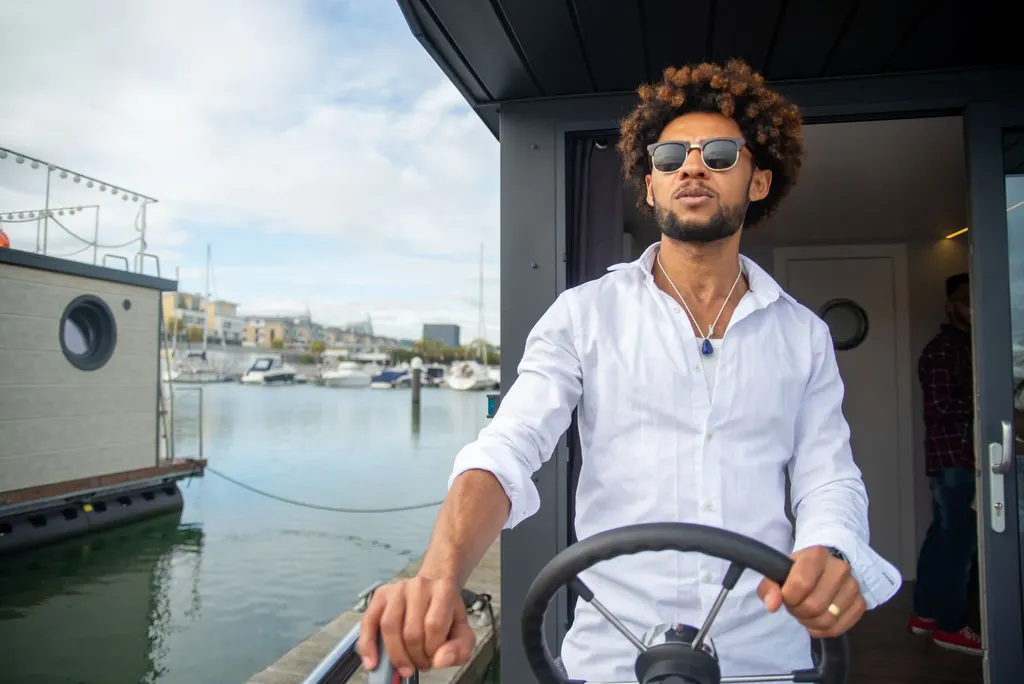
Boating basics are simple once you learn them, but they protect you, your crew, and your boat on every trip. Before launching, a new boater should know how to check safety gear, read the weather, launch and retrieve a trailer boat, follow navigation rules, and dock with control. These skills turn a nervous first outing into a calm and enjoyable day on the water.
Good boating starts on land. A short pre launch routine, a clear plan, and a basic understanding of how boats move will prevent most common problems. Take time to learn the controls, the local rules, and the limits of your boat. Confidence grows with preparation, not with speed.
Before You Launch: Safety Checks First
Every trip starts with a safety check. Confirm you have a life jacket for each person aboard, in the right size and in good condition. Check the fire extinguisher, navigation lights, sound signalling device, first aid kit, paddle or oar, anchor and line, and a bailer or working bilge pump. Test the engine, steering, throttle, and kill switch before you leave the ramp.
Check fuel, oil, battery charge, and cooling water flow. Make sure the drain plug is in place, the trailer lights work, and the boat is secure for towing. Tell someone ashore where you are going and when you expect to return. This float plan is a simple habit that matters if you are delayed or need help.
Understanding Weather and Water Conditions
Weather can change quickly on the water, so always check the forecast before you launch. Look at wind speed and direction, gusts, storms, visibility, and wave height. Wind against current can create steep chop, even on a lake. If storms are forecast, postpone the trip. No outing is worth the risk of lightning, high wind, or poor visibility.
Learn to read the water as you go. Dark patches can mean shallow areas or weed. Whitecaps show wind is building. A falling barometer and towering clouds often signal a change. Keep an eye on the sky and have a plan to return early if conditions worsen. New boaters should stay close to shore and avoid open water in strong wind.
Launching and Retrieving a Trailer Boat
Launching is easier with a routine. Prepare the boat away from the ramp by loading gear, fitting the drain plug, removing straps, and checking lines and fenders. Back the trailer down slowly until the boat floats free. A helper can hold a bow line while the driver parks the vehicle. Keep the ramp clear and work calmly, even if other boaters are waiting.
Retrieving follows the same care in reverse. Approach the trailer slowly, centre the boat, and winch it gently into place. Secure the boat, raise the engine, and move clear of the ramp before you finish packing up. Practise at a quiet time of day first. Smooth launching is a skill, and it improves quickly with repetition.
Steering, Speed, and How Boats Move
Boats do not steer like cars. They pivot, drift with wind and current, and need more room to stop. At low speed, small steering and throttle inputs work best. At planing speed, trim and weight distribution affect ride and fuel use. Learn how your boat responds to throttle, turns, and reverse before you need those skills in a tight marina.
Slow Speed Control and Docking
Docking is where new boaters feel most pressure. Approach slowly, into wind or current when possible, and use short bursts of power. Have fenders and lines ready before you approach. A crew member can step ashore with a line, but no one should jump. If an approach goes wrong, pull away and try again. A second calm attempt is always better than a rushed landing.
Our guide to how to dock a boat explains approach angles, line handling, and wind control in detail. Practise in open water first, using a buoy as a pretend dock, so the real thing feels familiar.
Navigation Rules Every Boater Must Know
Navigation rules keep everyone safe. Learn the meaning of red and green channel markers, port and starboard, give way rules, and speed limits near shore, marinas, and swimming areas. Keep a proper lookout at all times and reduce speed in crowded areas. A boat overtaking another keeps clear, and a boat crossing from starboard has right of way in most crossing situations.
Learn to read a chart and identify shallow water, hazards, and channels. A chartplotter helps, but basic chart reading is an essential backup. Keep navigation lights on from sunset to sunrise and in poor visibility. For a deeper look at rules, visibility, and safe conduct, read our boat safety basics guide.
- Keep a lookout, reduce speed near shore, swimmers, and other boats.
- Follow channel markers and give way rules at crossings and overtaking.
- Use navigation lights at night and in low visibility.
- Never operate a boat after drinking alcohol.
Essential Gear for New Boaters
Beyond required safety gear, a few items make every trip easier. A waterproof bag protects phones and keys. Sun protection, water, snacks, and a first aid kit keep the crew comfortable. A spare line, a fender or two, a torch, and a basic tool kit help with small problems. A VHF radio or charged phone provides communication, but never rely on a phone alone in areas with weak signal.
Our essential boating gear guide covers life jackets, safety equipment, and comfort items in full. Build your kit gradually and keep it organised so you can find everything quickly when you need it.
Common Beginner Mistakes to Avoid
New boaters often overload the boat, skip the weather check, or run too fast near shore. Others forget the drain plug, launch with straps still on, or leave without enough fuel. A checklist prevents most of these mistakes. Plan fuel with a reserve, load weight evenly, and brief your crew on seating, life jackets, and what to do if someone falls overboard.
Another common mistake is boating alone as a beginner without telling anyone your plan. Take an experienced boater with you for early trips when possible, and keep trips short until you are confident with launching, navigation, and docking. Small steps build real skill faster than one long and stressful day.
Anchoring and stopping deserve practice too. Learn how to choose a sheltered spot, lower the anchor with enough line, and check that it holds before you relax. Carry an anchor suited to your boat size and the seabed you will meet, with chain and rope in good condition. When you need to stop quickly, reduce throttle smoothly and steer into open water, never into a crowded area. Learn how wind and current push the boat when it is drifting, because that knowledge helps with docking, anchoring, and picking up a mooring. Practise man overboard recovery with a buoy, so everyone knows to shout, point, throw flotation, and keep the person in sight. These drills feel simple on a calm day, yet they build the calm reactions that matter when conditions change or something goes wrong on the water.
What should a new boater know before launching?
A new boater should know how to check safety gear, read the weather, launch and retrieve the boat, follow navigation rules, and dock at slow speed. Learn your boat controls, carry a life jacket for each person, and share a float plan ashore. Short trips in calm conditions are the best way to build skill.
How do I launch a boat from a trailer?
Prepare the boat away from the ramp by fitting the drain plug, loading gear, and removing straps. Back the trailer down slowly until the boat floats, then hold it with a bow line while the vehicle is parked. Retrieve by approaching slowly, centring the boat, and winching it gently into place before moving clear.
What safety gear do I need for boating?
You need a life jacket for each person, a throwable device, fire extinguisher, navigation lights, sound signalling device, first aid kit, anchor and line, and a working bilge pump. Check local rules for your waters, test gear before launching, and keep safety equipment easy to reach at all times.
How can I learn to dock a boat confidently?
Practise slow speed control in open water first, using a buoy as a pretend dock. Approach slowly into wind or current, use short throttle bursts, and have fenders and lines ready. If an approach goes wrong, pull away and try again. Calm repetition builds docking skill faster than rushing a landing.