
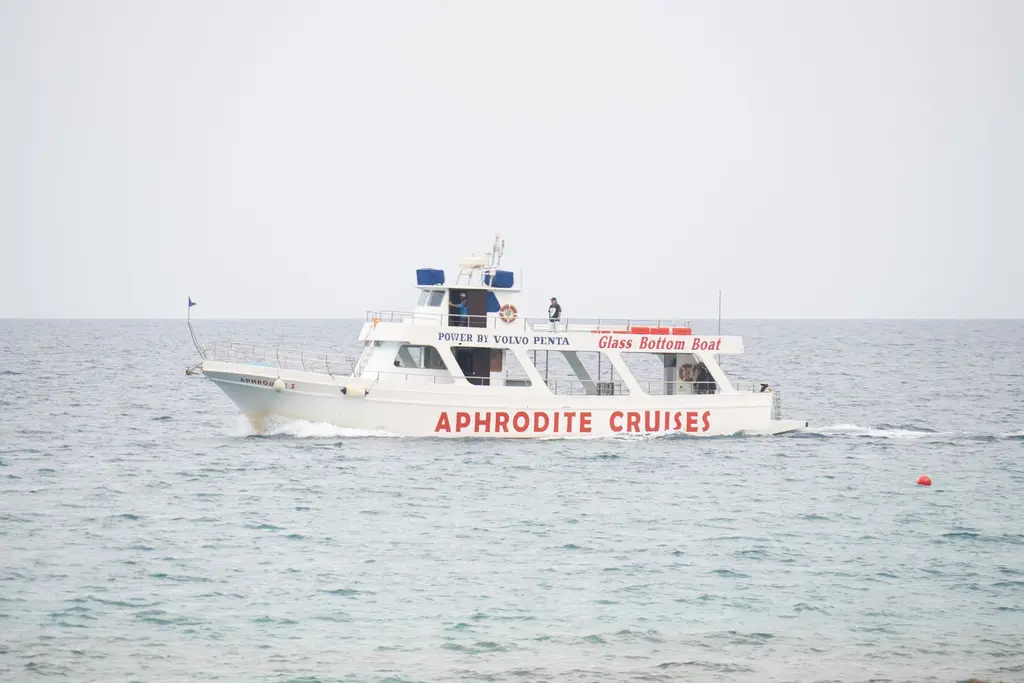
A day cruiser is a boat built for spending a full day on the water and returning home the same evening. It has comfortable seating, shelter from sun and spray, space for food and gear, and often a small cabin or head compartment. The right day cruiser makes a day trip feel easy, with room to relax, swim, and explore without needing an overnight berth.
Day cruisers sit between open runabouts and larger cabin boats. They are bigger and more comfortable than a basic bowrider, but simpler and easier to handle than a boat built for overnight stays. That middle ground suits many boaters, especially families and couples who want a full day afloat without the cost and complexity of a larger cruiser.
What Is a Day Cruiser
A day cruiser is usually a motorboat between about 20 and 30 feet, with a cockpit for seating and socialising, a small cabin or cuddy for shelter and storage, and a helm that is easy to use. Many have a swim platform at the stern, a boarding ladder, and a bimini top or canopy for shade. Some have a small galley, a portable toilet, and a freshwater sink, which make longer days more comfortable.
The cabin on a day cruiser is not meant for sleeping overnight, though a few models have a berth for a short rest. Its main purpose is shelter: a place to get out of the sun, store bags, change clothes, or wait out a shower. That shelter is what sets a day cruiser apart from an open boat, and it is worth checking carefully when you compare models.
Size and Layout for Day Trips
Size is the first decision. A smaller day cruiser is easier to tow, launch, and dock, and it costs less to run and maintain. A larger one gives more seating, more storage, and a smoother ride in a chop. For most day trips with a family or a small group, a boat in the low to mid 20 foot range is a good balance, with enough room for everyone without feeling unwieldy.
Look at the layout as a whole. Is there seating for your usual group, with room to move around without climbing over each other? Is the helm position comfortable, with good visibility in all directions? Is there a clear path from the cockpit to the bow and to the swim platform? A good layout feels open and safe, with grab rails where you need them and storage that keeps the deck clear. Our guide to how to choose boat size will help you weigh length, beam, and capacity together.
Comfort Features That Matter Most
Comfort on a day cruiser comes from the details. Shade is one of the most important, so check the bimini top or canopy for size, ease of use, and how well it covers the seating area. Seating should be deep and supportive, with backrests that suit a full day afloat. A table that folds away gives you a place to eat without taking up space when you are under way.
- Shade from a bimini top or canopy that covers the main seating area.
- A swim platform and ladder for easy swimming and boarding.
- A head compartment or portable toilet for longer days.
- Storage under seats and in the cabin for bags, food, and safety gear.
Also check the small things that make a day easier: cup holders, a cooler or fridge, a freshwater shower at the stern for rinsing off after swimming, and a sound system if you enjoy music on board. None of these are essential, but together they turn a good boat into a comfortable one. If you plan to swim often, a wide swim platform and a sturdy ladder matter more than any gadget.
Engines, Performance, and Fuel
Most day cruisers use a single outboard or a sterndrive engine, and the right power depends on the size of the boat and how you use it. The engine should plane the boat easily with a normal load on board, without straining or taking a long time to get up to speed. An underpowered boat will feel sluggish and use more fuel, while an overpowered boat adds cost and weight for little benefit.
Fuel capacity matters on a day cruiser, because a full day can include a long run to a bay or island and back. Check the tank size and think about the range you need, allowing a generous reserve. A boat with a larger tank gives you freedom to explore, while a small tank limits you to short trips near a fuel dock. If engines are new to you, our boat engines explained guide covers outboards, sterndrives, and what to check before you buy.
Day Cruisers for Different Kinds of Water
A day cruiser for a lake or a sheltered bay can be lighter and lower sided, with an open layout that suits swimming and picnics. A day cruiser for coastal water needs a deeper hull, higher sides, and better protection from spray. The hull shape affects how the boat rides in a chop, how dry it stays, and how confident you feel when conditions change during the day.
Think about where you will actually go. If your day trips are mostly short runs to a nearby beach, a smaller cruiser with a simple layout is enough. If you plan longer runs along the coast, look for a boat with a cabin you can shelter in, good navigation equipment, and a reliable engine. The best day cruiser is the one that fits your water, your crew, and your plans, not the largest one in the marina.
What to Check Before You Buy
Before you buy a day cruiser, inspect it carefully and take it for a sea trial. Check the hull for damage, the deck for soft spots, and the cabin for damp, mould, or water stains. Test the engine from cold, check the steering and controls, and make sure the electronics, lights, and bilge pump all work. A sea trial is the best way to judge how the boat handles and whether the engine runs well under load.
Also check the practical side: the trailer, the mooring or storage cost, and the insurance. A day cruiser is a step up from a small open boat, so running costs are higher, but they stay manageable if you choose a boat that fits your use. Keep a list of the features you need, the features you would like, and the features you can live without, and use it to compare boats fairly. The right choice will feel comfortable on your first trip and still feel right after a full season.
Plan each day trip before you leave the dock. Check the weather forecast, the wind direction, and the tide or river conditions for the area you plan to visit, and tell someone ashore where you are going and when you expect to return. Pack drinking water, food, sun protection, and a first aid kit, and make sure the fuel tank has enough range for the trip plus a generous reserve. Arrive early at busy launch ramps, allow time for loading and safety checks, and agree a simple plan with your crew for boarding, seating, and swimming. A little planning in the morning makes the whole day calmer, and it leaves you free to enjoy the water rather than solving problems on board.
What is a day cruiser boat?
A day cruiser is a motorboat built for full day trips on the water, with comfortable seating, shelter, and space for food and gear. It usually has a small cabin or cuddy for storage and shelter, a swim platform, and a bimini top. It is larger than a runabout but simpler than a boat built for overnight stays.
How big is a typical day cruiser?
Most day cruisers are between 20 and 30 feet long. A boat in the low to mid 20 foot range suits many families and small groups, giving room for seating, storage, and a cabin without being hard to tow or dock. Larger models offer more space and a smoother ride in a chop.
Can you sleep on a day cruiser?
Some day cruisers have a small berth in the cabin that works for a short rest, but most are not designed for overnight stays. The cabin is mainly for shelter, storage, and changing. If you want to sleep on board regularly, look for a cabin cruiser with proper berths, cooking, and toilet facilities.
Are day cruisers good for families?
Day cruisers are very good for families because they offer seating, shade, a swim platform, and shelter from sun and spray. Look for secure seating, a boarding ladder, a head compartment, and plenty of storage. A family day cruiser should be easy to board, simple to handle, and comfortable for a full day afloat.