
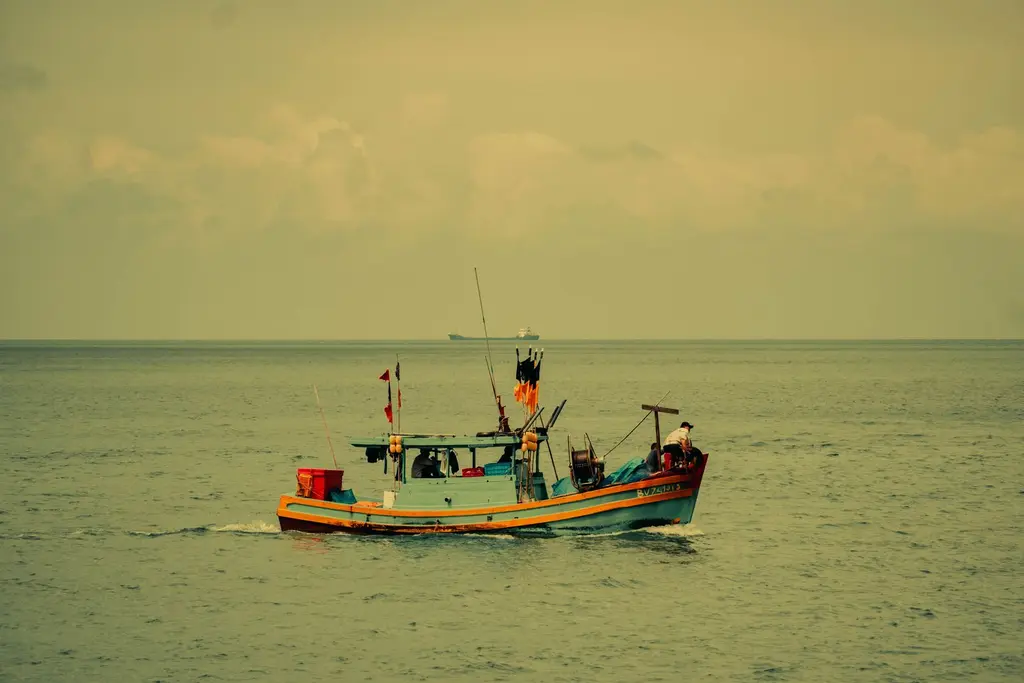
The right fishing boat is the one that fits how you actually fish, not the one with the longest feature list. A quiet lake angler, a coastal caster and a deep water troller need different hulls, decks and storage, and a boat that is perfect for one style can feel awkward for another. Start with your water, your target species and how many people usually fish with you. Once those three are clear, the choice of hull, layout and power becomes much simpler.
Start With Where and How You Fish
Water type shapes everything. Small lakes, ponds and slow rivers suit a light, shallow draft boat that is easy to launch and quiet to move. Larger lakes and estuaries need more freeboard, a hull that handles chop and enough power to cover distance and return safely if the weather turns. Coastal and offshore fishing needs a deep V hull, high sides, self draining decks and reliable power in reserve. Think about the worst conditions you fish in, not the calmest day, because safety and comfort in a chop matter more than top speed on flat water.
Your fishing style matters just as much. Casting for bass or pike needs open deck space, a raised casting platform and room to move without tripping over seats. Trolling needs rod holders, a steady speed and storage for tackle and catch. Fly fishing needs a clear deck and minimal clutter. Bottom fishing needs stability at rest and easy access to the water. Write down your usual routine, from launch to landing a fish, and check each boat against that routine rather than against a brochure.
Hull Types for Fishing
Flat bottom and modified V hulls are common on inland fishing boats. They are stable at rest, draw little water and are easy to beach or launch from a shallow ramp. Aluminium jon boats are a classic example: tough, light and simple, with an open layout that you can fit out for your own style. If you fish shallow rivers, creeks and small lakes, read our guide to jon boats and aluminium boats to see where that simple, durable design wins.
Deep V hulls cut through chop and give a softer ride in open water, which is why they dominate coastal and offshore fishing. They need more power and draw more water, but they keep the crew drier and more comfortable when waves build. Centre console boats pair a deep V hull with a helm in the middle and walkaround decks, so anglers can fight a fish from any side. That layout is worth comparing in detail in our centre console vs cabin boat guide, especially if you fish with a group or in changing conditions.
Deck Layout and Fishing Features
Deck layout decides how pleasant a long day feels. Look for clear, non slip decks, enough rod storage to protect your gear, and livewells or fish boxes that are easy to reach and clean. Rod holders should be placed where lines will not tangle, and tackle storage should be close to where you sit or stand. A raised casting deck helps sight fishing, while a lower, open cockpit suits trolling and bottom fishing. Check that seats fold away or move aside, because fixed seating in the wrong place can block the very space you need.
Electronics and power need a plan too. A fish finder, a trolling motor and navigation lights all draw on the battery, so check the battery setup, the wiring and the charging system. A trolling motor mount, a secure place for the battery and a clean cable run are worth more than a long list of gadgets fitted as an afterthought. Keep the deck free of loose cables and clutter, because a tidy boat is a safer boat when a fish runs and everyone moves at once.
Power, Range and Handling
Power should match the hull, the load and the water. Too little power leaves you slow to plane, slow to return in bad weather and working the engine hard all day. Too much power adds weight, fuel use and cost without real benefit. Ask how the boat performs with a realistic load of people, fuel, tackle and catch, not with a light test load. Check the fuel capacity against the distances you travel, and remember that wind, current and chop all raise consumption.
Handling at low speed matters for fishing. The boat should hold a line at trolling speed, turn predictably and stay steady in a crosswind. A trolling motor helps with precise positioning, while a drift sock or anchor helps you work a spot slowly. Practice manoeuvring in tight spaces before your first serious trip, and learn how the boat behaves when you shift weight or when a passenger moves to net a fish. Good handling is a fishing feature, not just a comfort extra.
Storage, Livewells and Keeping the Catch
Storage protects your gear and keeps the deck safe. Rods need secure, padded storage so they do not bounce, bend or snap on the road or on the water. Tackle boxes, nets, gaffs and safety gear each need a dry, accessible home. Livewells keep bait and catch alive, but they need a working pump, a clean tank and an overflow that drains properly. If you keep fish for the table, a cool box or insulated fish box with drainage is essential, and it should be easy to clean at the end of the day.
- Rod storage that fits your longest rods without bending or forcing them.
- Livewell and fish box with working pump, drainage and easy cleaning access.
- Dry storage for tackle, safety gear, documents and a change of clothes.
- Non slip deck, clear walkways and secure places for nets and gaffs.
Gear, Safety and Comfort on a Fishing Boat
Fishing gear is only part of the kit. Safety gear comes first on every trip: life jackets that fit each person, a working bilge pump, navigation lights, a first aid kit, a throwable device and a way to call for help. Our essential boating gear guide covers the full checklist, from safety basics to the practical extras that make a long day easier. Comfort matters too, with shade, seating, drinking water and sun protection, because a tired, sunburnt crew fishes badly and heads home early.
Think about the whole day, not just the fishing. Where will you sit while you travel, where will you stand while you cast, and where will you shelter if rain arrives? A small canopy, a windscreen or a cabin can change a trip completely. Check that the boat has somewhere dry for a phone, keys and food, and that the seating works for the people who fish with you most. A boat that is comfortable for the crew gets used far more often than one that is only comfortable for the angler at the helm.
Buying Smart: New, Used and Sea Trial
Whether you buy new or used, a sea trial is essential. Check the engine start, idle and top speed, listen for vibration or alarms, and test the steering, the bilge pump and the electronics. Look at the hull for damage, the transom for flex or rot, and the trailer for worn tyres, bearings and lights. A professional inspection is money well spent on a used boat, and it often finds issues that are easy to miss on a first viewing.
Finally, match the boat to your storage, towing and budget for running costs, not just the purchase. A boat that is hard to store, hard to tow or expensive to maintain will sit unused. Choose the smallest boat that does your fishing well, keep the layout simple and proven, and spend the saving on good safety gear, electronics and time on the water. The best fishing boat is the one that gets you out often, fishes the way you like, and brings you home safely every time.
What is the best type of boat for fishing?
The best fishing boat depends on your water and style. Aluminium jon boats suit shallow inland water, deep V centre consoles suit coastal and offshore fishing, and bass boats suit casting on lakes. Choose the hull and layout that match where you fish most, how many people fish with you and whether you cast, troll or bottom fish.
How much power does a fishing boat need?
Power should match the hull, the load and the water, with enough reserve to plane with a full load and return safely in bad weather. Too little power strains the engine and slows you down, while too much adds weight and fuel use. Test the boat with a realistic load of people, fuel, tackle and catch before you decide.
Do I need a livewell on a fishing boat?
A livewell is useful if you keep bait alive or store catch alive, but it is not essential for every angler. If you release most fish or fish with artificial lures, a good cool box may be enough. If you do need one, check the pump, drainage and cleaning access, because a livewell that is hard to clean soon becomes a problem.
What should I check on a used fishing boat?
Check the hull and transom for damage, flex or rot, the engine service history and starting behaviour, and the steering, bilge pump and electronics. Test the livewell pump, rod storage and deck for soft spots, and inspect the trailer. Always take a sea trial on similar water and consider a professional inspection before you buy.
One thought on “Fishing Boats How to Choose One for Your Style of Fishing”