
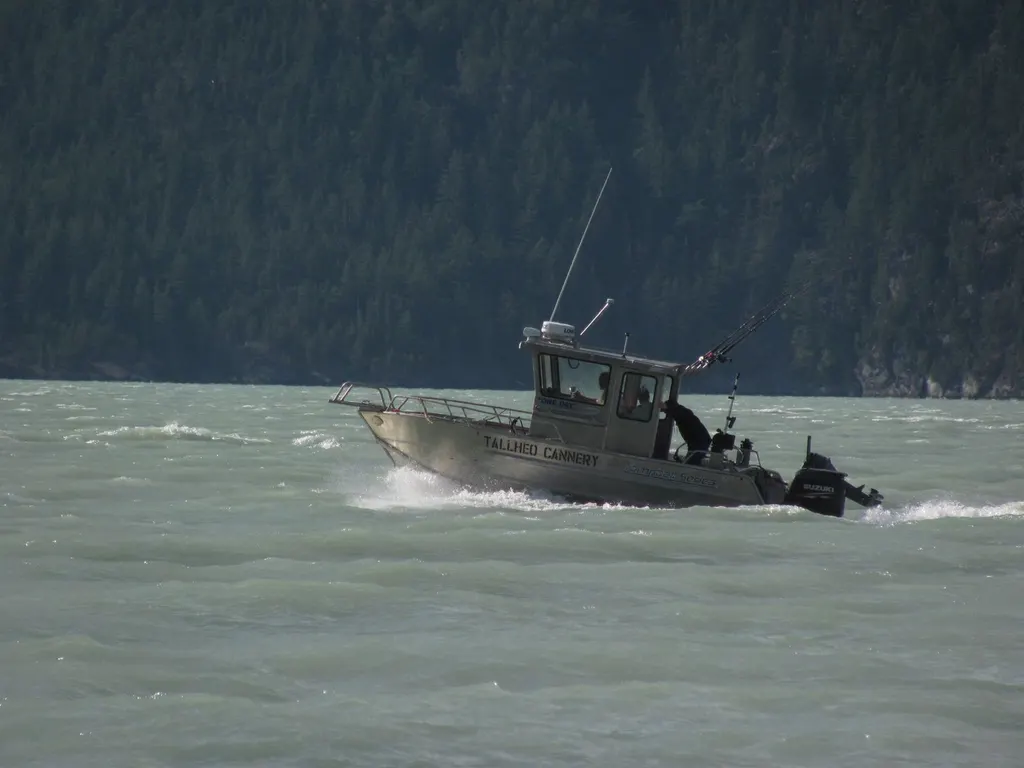
Jon boats and aluminium boats are simple, tough, and practical, built for shallow water, fishing, and work on lakes and rivers. A jon boat is a flat-bottomed aluminium boat with an open layout, while aluminium boats in general cover a wider range of hull shapes and uses. Both are popular with anglers, hunters, and anyone who wants a boat that is easy to tow, launch, and maintain.
These boats are not luxurious, and they are not built for speed or rough water. Their strength is simplicity: a light hull, a small outboard, and a layout you can adapt to your needs. If you want a boat for calm water, fishing, and exploring quiet places, a jon boat or an aluminium boat may be the right choice. This guide explains how they work and what to check before you buy.
What Is a Jon Boat
A jon boat is a flat-bottomed boat, usually made from aluminium, with a square bow and an open interior. The flat hull gives a very shallow draft, so the boat can run in water that would ground a deeper hull, and it gives excellent stability at rest. The open floor is easy to stand on while fishing, and the simple layout leaves room for coolers, tackle, and gear.
Jon boats are usually powered by a small outboard, a trolling motor, or oars. They are light to tow, easy to launch from a bank or a small ramp, and simple to store. Many owners add seats, a casting deck, rod holders, and storage to suit their fishing style. The boat itself is a blank canvas, and that flexibility is part of its appeal.
Why Aluminium Suits Small Boats
Aluminium is light, strong, and easy to repair, which makes it a good material for small boats. An aluminium hull can take bumps against rocks, docks, and riverbanks that would crack fibreglass, and it does not need the same level of care to prevent osmosis or gelcoat damage. A dent can often be straightened, and a leak at a seam can often be fixed without a major repair.
Aluminium is also easy to maintain. It does not need polishing in the same way as fibreglass, and it can be stored outdoors with a cover. The trade-off is noise and comfort: aluminium hulls can be noisier in a chop, and they can feel colder and harder underfoot than a fibreglass boat. For a working boat used for fishing and exploring, those trade-offs are usually acceptable. Our guide to the best small boats for lakes and rivers compares aluminium boats with other small boat types.
Where Jon Boats Work Best
Jon boats work best on calm, shallow water: lakes, ponds, slow rivers, marshes, and backwaters. Their flat hull and shallow draft let you reach places other boats cannot, including weed beds, creek mouths, and flooded timber. They are ideal for fishing, duck hunting, and exploring, and they are useful as a work boat for carrying gear to a dock or a shoreline property.
They are less suited to large lakes with a long fetch, where wind can build a chop, and to coastal water, where waves and current are stronger. A flat-bottomed hull can pound in a chop and feel less secure in rough conditions, so match the boat to the water you use most. If you boat on a wide lake that gets windy, a deeper V-hulled aluminium boat may be a better choice than a flat jon boat.
Picking the Right Size of Aluminium Boat
Jon boats range from small 10 foot models for one or two people to larger 18 foot boats that carry a family and a full load of gear. A wider beam gives more stability and more floor space, while a longer hull gives more room and a smoother ride. For fishing with two people, a 14 to 16 foot jon boat with a moderate beam is a practical choice, giving room to cast and move without feeling cramped.
- Choose a beam wide enough for stable standing and casting.
- Check the weight capacity, including people, gear, and engine.
- Look for a solid transom rated for the outboard you plan to use.
- Pick a layout you can adapt, with flat floors and open space.
Look at the hull construction before you buy. Welded aluminium is generally stronger and less likely to leak than riveted construction, though a well-built riveted boat can last many years. Check the seams, the transom, and the floor for damage, and look for signs of corrosion around fittings. A floor that feels soft or flexes underfoot may need repair, and a transom that flexes when you push on the engine is a warning sign.
Engines and Power for Jon Boats
Most jon boats use a small outboard, and the right size depends on the boat and the load. A small engine is enough for slow fishing and exploring, while a larger engine gives more speed for travelling across a lake. Check the capacity plate for the maximum horsepower and never exceed it, as an overpowered jon boat can be unsafe and hard to control.
Electric trolling motors are a useful addition for fishing, letting you move quietly along banks and weed edges without starting the main engine. Many jon boats have a flat bow deck that suits a trolling motor mount, and a battery stored under a seat. If you are new to engines, our boat engines explained guide covers outboards, fuel, and basic maintenance.
Pros and Cons of Jon Boats
The pros of a jon boat are clear: low cost, light weight, shallow draft, stability at rest, and simple maintenance. They are easy to tow with a small vehicle, easy to launch alone, and easy to store in a garage or a yard. They are also easy to customise, with room to add seats, decks, and storage as your needs change.
The cons are comfort and range. A jon boat has little shelter from sun, wind, or spray, and it can be noisy and hard riding in a chop. It is not a boat for long runs in rough water, and it is not the best choice for a family that wants seating, shade, and comfort. If your boating is mostly fishing and exploring on calm water, those limits may not matter. If you want a boat for family day trips, a family boat with seating and shade will suit you better.
Look after an aluminium boat with simple routine care. Rinse the hull and the engine after use, especially after saltwater or muddy rivers, and check the bilge and the floor for standing water. Keep the boat covered when it is stored outside, and check the seams, rivets, and transom at the start of each season for leaks or corrosion. Touch up bare metal where paint has worn away, and keep the trailer bearings greased and the tyres in good condition. Store oars, life jackets, and fishing gear dry, and check the drain plug before every launch. A jon boat does not need much maintenance, but the small jobs you do each year keep it watertight, reliable, and ready for the next trip on the water.
What is a jon boat used for?
A jon boat is used for fishing, hunting, and exploring shallow calm water such as lakes, ponds, and slow rivers. Its flat bottom and shallow draft let it reach weed beds, creek mouths, and backwaters that deeper boats cannot. It is also useful as a simple work boat for carrying gear.
Are jon boats stable?
Jon boats are very stable at rest because of their flat bottom and wide beam, which makes them good for standing and casting while fishing. They are less stable in a chop than a deeper hull, and they can pound in waves. Use them on calm water and keep the load balanced for the best stability.
Are aluminium boats good for beginners?
Aluminium boats are good for beginners because they are light, tough, simple to maintain, and easy to tow and launch. They can take bumps that would damage fibreglass, and repairs are usually straightforward. Start with a modest size, learn the water near you, and build experience before moving to larger water.
Can a jon boat go in saltwater?
A jon boat can be used in sheltered saltwater, but aluminium needs care in a marine environment. Rinse the boat and engine with fresh water after every use, check for corrosion around fittings, and use anodes and coatings suited to saltwater. For regular coastal use, a boat designed for saltwater is a better choice.