
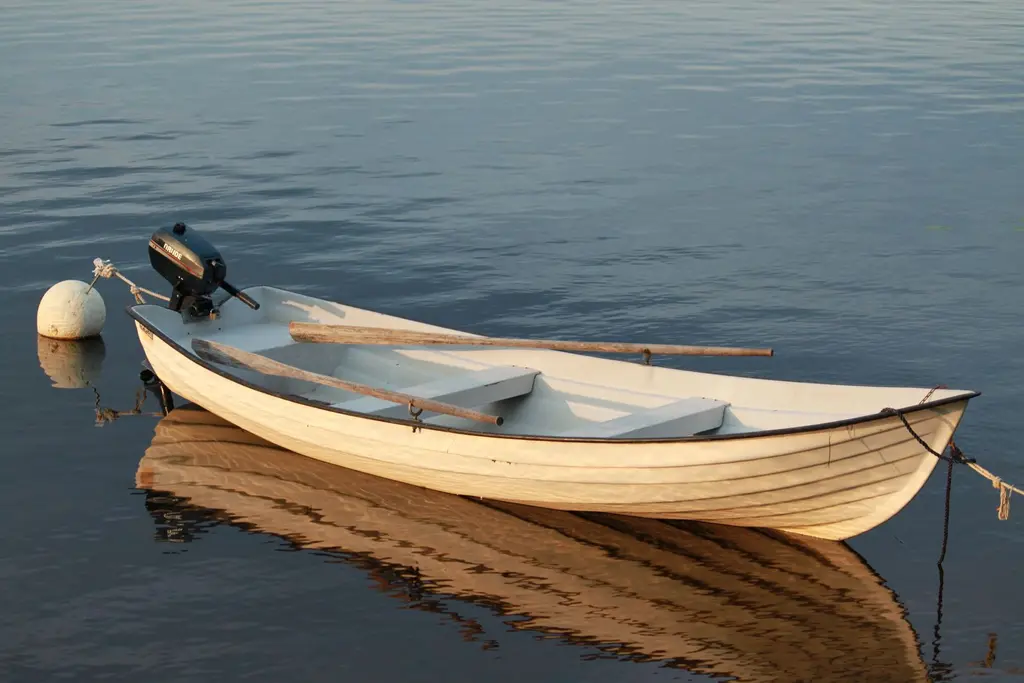
How much you should spend on your first boat depends less on a single number and more on what you can afford to buy, run and keep without stress. A first boat is a learning boat: it should be simple, reliable and easy to handle, and it should leave room in your budget for safety gear, servicing, storage and the inevitable small repairs. Spend too little and you buy problems. Spend too much and the boat becomes a burden that sits unused. The right budget is the one that lets you boat often and enjoy it.
Start With the Full Cost, Not Just the Purchase
The purchase is only the first cost. After you buy, you need safety gear, a trailer or berth, insurance, servicing, fuel, cleaning and storage, and those running costs continue every year you own the boat. Many first time buyers focus on the boat and forget the rest, then find the first season far more costly than expected. Before you set a budget, list every cost for a full year, including the gear you need on day one and the service the boat will need before its first trip.
A useful rule is to set aside a clear share of your budget for costs beyond the boat itself. That reserve covers life jackets, flares, a first aid kit, ropes, fenders, a cover, servicing and any repairs found in a pre purchase inspection. It also gives you a cushion if the engine needs a service, the trailer needs tyres or the hull needs a small repair. Our guide to the total cost of owning a boat breaks down those yearly costs, so you can build a realistic budget before you start looking.
What Kind of First Boat Fits a Modest Budget
For most first time buyers, a simple, well kept boat in the small to mid size range is the smartest choice. A small aluminium boat, a bowrider, a centre console or a pontoon, depending on your water and use, will teach you handling, maintenance and seamanship without the complexity of a large cruiser. A simple boat has fewer systems to fail, is cheaper to service and is easier to sell when you are ready to move up. It also gets used more, because launching, cleaning and storing it are quick.
Condition matters more than age or size. A well maintained older boat with a full service history, a sound hull and a reliable engine is a better first boat than a newer boat that has been neglected. Look for a boat that has been used regularly, stored under cover and serviced on schedule. A boat that has sat unused for years often needs more work than its appearance suggests, with stale fuel, flat batteries, perished hoses and seized parts.
Set a Budget You Can Live With
Set your budget from your real finances, not from the most you could stretch to. Work out what you can spend on the boat, what you can spend on gear and setup, and what you can spend each year on running costs, without borrowing beyond your comfort or cutting into essential savings. A boat bought on a stretched budget soon feels like a burden, while a boat bought within your means feels like freedom. Be honest about how often you will use it, because a boat used twice a year costs far more per trip than one used every weekend.
Keep a reserve for the unexpected. Engines, trailers, steering and hulls all wear, and a first boat will teach you what needs attention. A reserve lets you fix a fault promptly instead of leaving the boat unused while you save. It also lets you say yes to a good boat that needs a small service, rather than buying a cheaper boat that needs a large repair. A calm, unhurried buyer with a reserve always gets a better boat than a rushed buyer with no margin.
Costs First Time Buyers Often Miss
First time buyers often miss the trailer, the tow vehicle and storage. A boat needs a sound trailer with good tyres, bearings, brakes and lights, and a vehicle that can tow the total weight safely. Storage needs space, security and, ideally, cover from sun and rain. Marina berths, yard storage and winter storage all add to the yearly cost, and they rise with boat size. Measure your storage before you buy, and check towing limits before you fall in love with a boat.
- Safety gear, ropes, fenders, anchor, cover and basic tools for day one.
- Trailer service, tyres, bearings and lights, plus towing and storage costs.
- Engine service, hull cleaning, antifouling and winter care through the year.
- Insurance, registration, training and a reserve for unexpected repairs.
Training is another cost worth budgeting for. A basic boating course teaches handling, safety, navigation and rules of the water, and it builds confidence far faster than learning alone. It also helps you avoid the mistakes that cause damage and repair bills. Factor in the cost of a course, a licence or registration where it applies, and the time to practise. That investment pays for itself in safer, more enjoyable boating from the first season.
How to Judge Value When You View a Boat
Value is not the lowest asking figure. It is condition, history, equipment and how well the boat fits your use. Check the hull for damage and soft spots, the transom for flex, the engine for service history and smooth starting, and the trailer for wear. Look at the seats, canopy, electrical system and safety gear, and ask for receipts and service records. A boat with a full history, recent service and good gear is worth more than a cheaper boat with no records and worn equipment.
Always take a sea trial and consider a professional inspection, especially for a used boat. The inspection often finds issues that change the value, and it gives you a clear list of work needed before you commit. Use our used boat buying checklist when you view, so you check the same points on every boat and compare them fairly. A calm, methodical viewing beats a rushed decision every time.
When to Spend More, and When to Spend Less
Spend more when it buys reliability, safety and a boat that fits your water. A sound engine, a solid hull, a good trailer and complete safety gear are worth paying for, because they keep you safe and on the water. Spend less on cosmetics, gadgets and size you do not need, because they add cost without adding enjoyment. A clean, simple boat with a reliable engine will give you more happy days than a larger, flashier boat that is costly to run and hard to handle.
Walk away from a boat that needs major engine, hull or trailer work, unless you have the skill and budget to fix it and the purchase reflects that work. Walk away from a seller who rushes you, hides records or refuses a sea trial. There are always other boats, and the right first boat is worth waiting for. Patience is the cheapest way to buy well, and it protects your budget for the boating itself.
A Sensible First Boat Plan
A sensible plan is simple: set a total budget that includes purchase, gear, service and a reserve, choose a simple, well kept boat that fits your usual crew and water, inspect it carefully, take a sea trial and buy only when the condition and history feel right. Use the boat often in your first season, learn its handling and maintenance, and keep notes on what works and what you would change. That experience will tell you exactly what to look for in your next boat.
How much should I budget for my first boat in total?
Budget for the boat plus safety gear, trailer or storage, insurance, servicing, fuel and a reserve for repairs. The purchase is only the first cost, and running costs continue every year. Set a total budget you can afford without strain, keep a reserve for unexpected work, and choose the smallest reliable boat that fits your usual trips.
Is a used boat better for a first time buyer?
A good used boat is often better for a first time buyer because it costs less, has already lost its steepest depreciation and leaves budget for gear and servicing. Look for a well maintained boat with a full service history and sound hull and engine. A new boat gives warranty cover, but it costs more and suits buyers who know exactly what they want.
What costs do first time boat buyers forget?
First time buyers often forget the trailer, towing, storage, insurance, safety gear, servicing and training. They also forget a reserve for repairs, winter care and hull cleaning. List every cost for a full year before you buy, measure your storage, check towing limits and factor in a boating course for confidence and safety.
Should I get a boat inspection before buying?
Yes, a professional inspection is wise before buying a used boat, and a sea trial is essential. An inspection finds hull, engine, steering and trailer issues that are easy to miss, and it gives you a clear list of work needed. Use the findings to judge value, negotiate fairly and avoid a boat that needs major repair work.