
The total cost of owning a boat goes far beyond the purchase price. Fuel, insurance, storage, maintenance, safety gear, and repairs add up every year, and they vary with boat size, engine type, location, and how often you use the boat. Understanding these costs before you buy helps you choose a boat you can enjoy without financial stress. A realistic budget is part of good seamanship.
Many buyers focus only on the asking price and are surprised by the first year of running costs. This guide breaks down each major expense in plain terms. You will learn what to expect, where costs can be controlled, and how to compare boats on true yearly cost rather than on sticker price alone.
Purchase Price Is Only the Start
The purchase price covers the boat, engine, and trailer or equipment included in the sale. It does not cover tax, registration, a survey, transport, or immediate repairs. A used boat may need new safety gear, a service, or hull work soon after purchase. A new boat may need added electronics, covers, and accessories. Keep a reserve for these first costs.
Financing adds interest and monthly payments, while a cash purchase avoids that cost but ties up savings. Depreciation also matters. Boats lose value over time, especially in the first years, and condition affects resale more than age alone. A well maintained boat with service records holds value better than a neglected one.
Fuel and Engine Running Costs
Fuel is one of the largest variable costs. It depends on engine size, boat weight, speed, and hours on the water. A small outboard on a light lake boat uses far less fuel than twin engines on a large cruiser. Cruising at moderate speed is more efficient than running at full throttle. Plan fuel with a reserve and track usage in your first season to learn your real consumption.
Engine oil, filters, and consumables add to running costs. Four stroke outboards need regular oil changes, while two stroke engines need oil mixed with fuel. Inboard engines need coolant, belts, and impeller checks. Learn basic engine care in our guide to outboard motor maintenance so you can handle routine checks and spot problems early.
Insurance Costs
Boat insurance protects against damage, theft, liability, and accidents. Cost depends on boat value, size, engine power, location, storage, and your experience. Larger and faster boats cost more to insure. Boats stored in a marina or in the water may cost more than trailer stored boats. A clean boating record and safety training can help keep premiums reasonable.
Compare cover levels carefully. Check what is included for hull damage, engine failure, trailer cover, personal effects, and third party liability. Read exclusions for wear, osmosis, and racing or commercial use. Our guide to boat insurance basics explains cover types, limits, and questions to ask before you choose a policy.
Storage and Mooring Costs
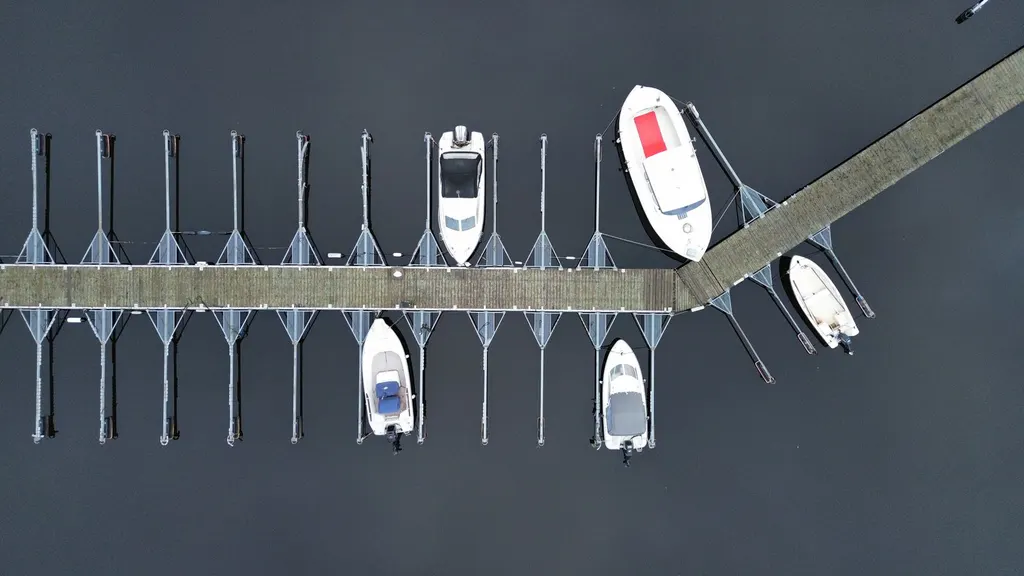
Storage is a major fixed cost. Trailer storage at home is cheapest if you have space, but you need a driveway or yard with access. Dry stack storage keeps the boat under cover and launches it on demand, but costs more. A marina berth offers convenience and access, yet it is often the most expensive option, especially in popular locations.
Boats kept in the water need antifouling, anode replacement, and more frequent hull checks. Boats kept ashore need covers, winter care, and trailer maintenance. Check berth availability and cost before you buy, because a boat without a storage plan quickly becomes a problem. Factor in launching fees, parking, and winter storage as well.
Maintenance and Repairs
Regular maintenance prevents expensive repairs. Engines need annual service, including oil, filters, spark plugs, cooling system checks, and fuel system inspection. Hulls need cleaning, waxing, and inspection for cracks, blisters, or soft spots. Steering, electrics, bilge pumps, and navigation lights need testing. A simple schedule, followed often, keeps costs predictable.
Repairs vary with age and condition. Older boats may need upholstery, canvas, steering cables, or fuel system work. A survey before purchase helps you budget for these items. Our guide to boat maintenance schedule gives a seasonal checklist for engines, hulls, trailers, and safety gear.
- Annual engine service, oil, filters, and cooling checks.
- Hull cleaning, waxing, antifouling, and anode replacement.
- Trailer bearings, lights, brakes, and tyres.
- Safety gear replacement, batteries, and electronics.
Safety Gear, Accessories, and Upgrades
Safety gear is a necessary cost. Life jackets, fire extinguishers, flares, first aid kits, and communication equipment need buying and periodic replacement. Comfort accessories such as covers, fenders, lines, anchors, coolers, and electronics also add up. Budget for these items in your first year, and replace worn gear before it fails.
Upgrades can be tempting, but prioritise safety and reliability first. A chartplotter, fish finder, or new canvas can wait until the boat is sound. Buy quality safety gear that fits your crew and waters, and keep a record of expiry dates for flares, extinguishers, and life jacket servicing.
How to Control Yearly Boating Costs
You can control costs without cutting safety. Choose a boat size and engine that match your real use, not your maximum dream. Trailer storage is cheaper than a marina berth. Learning basic maintenance saves labour costs and helps you spot problems early. Cruise at efficient speeds, keep the hull clean, and service on schedule to avoid bigger repairs.
Track every cost in your first year. Fuel, insurance, storage, maintenance, and gear will show your true yearly total. Use that record to plan the next season and to decide whether a larger boat or more hours are affordable. A boat that fits your budget gets used more, maintained better, and enjoyed longer than one that strains it.
Depreciation and resale value deserve a place in your budget. A boat that holds its condition holds its value better, so regular cleaning, servicing, and covered storage protect your investment. Keep service records, receipts, and photos of maintenance, because buyers trust a documented history. Avoid over customising with unusual colours or fitted extras that narrow the next buyer pool. A popular boat type in good condition with a known engine brand is easier to sell than a rare model with unknown parts. Think about resale when you buy, even if you plan to keep the boat for years.
Build a simple yearly budget before you buy. List fixed costs first, such as insurance and storage, then variable costs such as fuel and maintenance. Add a reserve for unexpected repairs, because even a well kept boat can need a new battery, a steering cable, or a trailer repair. Review the budget at the end of your first season and adjust it with real figures from your own use. If the total feels tight, choose a smaller boat, a simpler engine, or trailer storage instead of stretching for a larger model. Boating should bring relaxation, not financial worry, and a boat that fits your budget will bring far more good days on the water than one that strains it every month.
How much does it cost to own a boat each year?
Yearly costs vary with boat size, engine, storage, and use. Fuel, insurance, storage, maintenance, and safety gear are the main expenses. A small trailer boat costs far less to run than a large marina kept cruiser. Track all costs in your first year to learn your true yearly total before you upgrade.
What are the biggest hidden costs of boat ownership?
The biggest hidden costs are storage, maintenance, and repairs. A marina berth, antifouling, engine servicing, and unexpected repairs can exceed fuel costs. Older boats may need more work, while boats kept in the water need more hull care. A survey and a maintenance reserve help you plan for these expenses.
Is boat insurance expensive?
Boat insurance cost depends on boat value, size, engine power, location, storage, and experience. Larger and faster boats cost more to insure, while trailer stored boats often cost less than marina kept boats. Compare cover levels for hull, engine, trailer, and liability, and read exclusions before you choose a policy.
How can I reduce the cost of owning a boat?
Choose a boat size and engine that match your real use, store on a trailer when possible, and learn basic maintenance. Cruise at efficient speeds, keep the hull clean, and service on schedule to prevent costly repairs. Track fuel and maintenance costs so you can plan the next season with a realistic budget.