
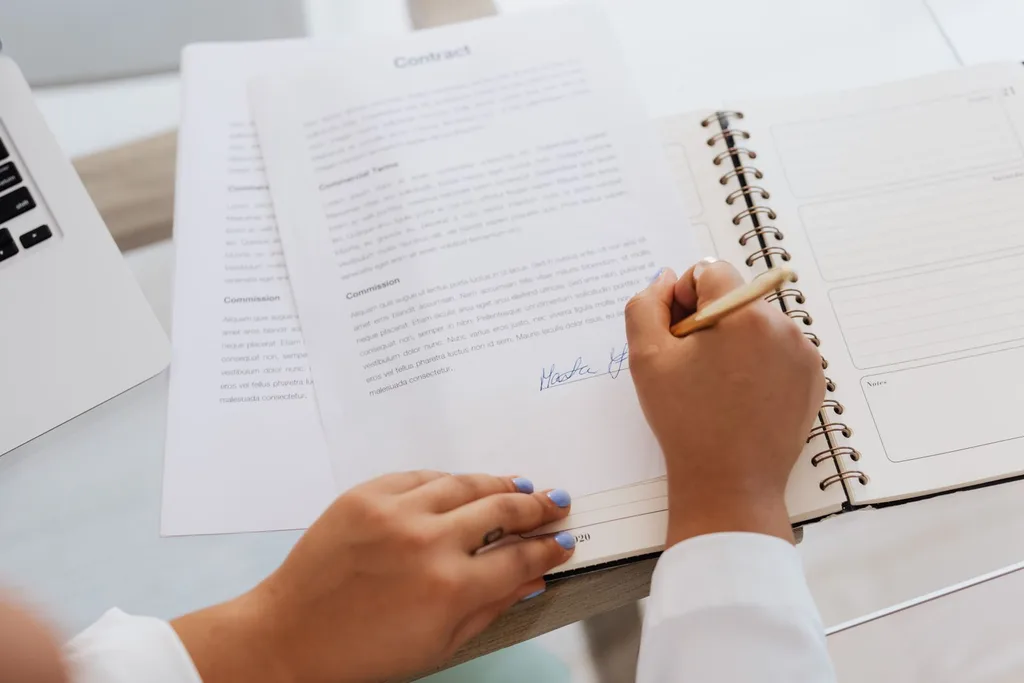
Paperwork is the least exciting part of buying a boat, and it is also the part that causes the most expensive problems when it is skipped. This checklist walks through every document to ask for, what to check on each one, and how to spot the gaps that should slow a purchase down.
Start With the Title or Registration
The title or registration document is the foundation of the whole purchase, because it proves who owns the boat and gives it a legal identity. Ask the seller to show you the original document, not a photocopy, and check that the name on it matches the seller’s identification exactly. If the boat is jointly owned, both owners need to agree to the sale. If the seller is acting for someone else, ask for written authority from the owner before you go any further. A title that is still in a previous owner’s name is a warning sign, because it means the chain of ownership is broken and you may not be able to transfer it into your name without extra steps, fees or legal help.
Check the hull identification number on the document against the number stamped or moulded into the transom, usually on the starboard side. The two must match character for character, including every letter and digit. Also compare the make, model, year and length on the paperwork with the boat in front of you. Small differences in length or model description are common and often harmless, but a different hull number or a different make altogether means you are looking at the wrong documents, or the wrong boat.
Check for Liens and Outstanding Finance
A lien or outstanding loan secured against a boat can follow the boat rather than the seller, which means you could pay for a boat and later discover that a lender still has a claim on it. Before you pay anything, ask the seller directly whether any finance, loan or lien is attached to the boat, and ask for written proof that it has been cleared. In many places you can also search a public register or ask the registration authority to confirm the boat’s status. The exact process varies by location, so check with your local registration office or a marine professional about what searches are available where you live. Do not rely on a verbal assurance alone when the amount involved is large.
If the seller still owes money on the boat, the cleanest way to handle it is to arrange for the outstanding amount to be paid directly to the lender as part of the purchase, with written confirmation from the lender that the lien is released. A seller who is vague about finance, who says the loan was paid off but cannot show proof, or who rushes you past this question is giving you a reason to pause.
Review the Service and Repair History
Service records tell you how a boat has actually been treated, which matters far more than how clean it looks on the day you view it. Ask for receipts and records covering engine servicing, oil and filter changes, impeller replacement, antifouling, hull repairs and any work on the trailer. Regular servicing at sensible intervals is a strong sign of a careful owner, while a complete absence of records means you are buying on trust alone. That is not automatically a reason to walk away, especially for an older or lower priced boat, but it should be reflected in the price and in how carefully you inspect and survey the boat.
Look for patterns in the history as well as individual receipts. Repeated repairs to the same system, such as cooling, steering or electrics, can point to an underlying problem that was never properly fixed. Major work such as an engine rebuild, a transom repair or osmosis treatment should come with detailed invoices and, ideally, a warranty or a surveyor’s note. A good history file also helps you after the purchase, because it tells you what has been done, what is due next, and which parts and products were used.
Verify the Engine, Trailer and Equipment
The engine usually has its own serial number, and it is worth checking that number against any paperwork the seller holds. An engine that has been replaced is not a problem in itself, but it should be documented, and the replacement should match the boat’s rated power. Ask for the engine manual, service book and any warranty documents, and check that the controls, gauges and starting system all work during your inspection. If you are buying a boat from a private seller, the engine check is one of the most important parts of the process, because engine repairs are among the most expensive surprises a new owner can face.
If a trailer is included, it needs its own checks. Ask for the trailer registration and confirm the identification number on the trailer matches the document. Check the lights, brakes, tyres, bearings and winch, and look for rust on the frame and axles. The same applies to included equipment. Make a written list of everything the seller says is included, from life jackets and fenders to electronics, covers and spare parts, and check each item off the list on the day you collect the boat. Anything not written down is easy to dispute later.
Get a Written Bill of Sale
A bill of sale is a simple written agreement that records the transfer of ownership, and every private boat purchase should have one. It should include the full names and addresses of buyer and seller, the date, the boat’s make, model and hull identification number, the engine serial number if applicable, the agreed price, and a list of included equipment and the trailer if one is part of the deal. Both parties should sign it, and both should keep a signed copy. The bill of sale also usually includes a statement from the seller that they own the boat, that it is free of liens and finance, and that they have the right to sell it. That statement matters, so read it before you sign.
Keep the bill of sale with the title, the old registration, the survey report and the service records in one safe place. You will need these documents for the registration transfer, for insurance, and again when you eventually sell the boat. Spending a little time on paperwork before you pay is far cheaper than trying to fix a title problem after the money has changed hands.
Complete the Transfer and Insurance Promptly
Once you have paid, complete the registration or title transfer as soon as you can, following the rules that apply where you live. Do not use the boat until the transfer is done and you have insurance in place, including cover for the trailer if you tow it home. Our guide to boat insurance basics explains the cover most owners need, and it is worth reading before your first trip. Tell your insurer about any survey findings, and keep them informed if you make significant changes to the boat. A clean paperwork file, finished promptly, is the quiet foundation of trouble free ownership.
- Title or registration in the seller’s name, with a matching hull number.
- Written proof that any loan or lien has been cleared.
- Service and repair records, engine serial number and trailer registration.
- Signed bill of sale listing the boat, equipment and agreed price.
Paperwork Mistakes That Cost Buyers Most
The most common paperwork mistakes are all avoidable. Buyers skip the hull number check, accept a photocopy instead of the original title, take the seller’s word about finance, or pay in full before the documents are ready. Each of these shortcuts saves a few minutes and can cost months of trouble. If you are unsure about any document, pause the purchase and get advice from the registration authority or a marine professional. A seller who is genuine will understand, because careful buyers protect sellers too, by making the transfer clean and final for both sides.
What documents should I check before buying a used boat?
Check the title or registration, the hull identification number on the transom, service and repair records, the engine serial number, trailer registration if included, and written proof that any finance or lien is cleared. Finish with a signed bill of sale listing the boat, equipment and price.
How do I check if a boat has a lien or outstanding finance?
Ask the seller directly and request written proof that any loan has been cleared. In many places you can also search a public register or ask the registration authority to confirm the boats status. Never rely on a verbal assurance alone when a large amount of money is involved.
What should a boat bill of sale include?
A bill of sale should include the names and addresses of buyer and seller, the date, the boats make, model and hull identification number, the engine serial number, the agreed price, and a list of included equipment and trailer. Both parties should sign it and keep a copy.
What if the hull number does not match the title?
Do not buy the boat until the mismatch is explained and corrected. A different hull number can mean the wrong documents, a replaced hull, or a stolen boat. Ask the seller for proof, contact the registration authority, and walk away if the explanation is unclear or undocumented.