
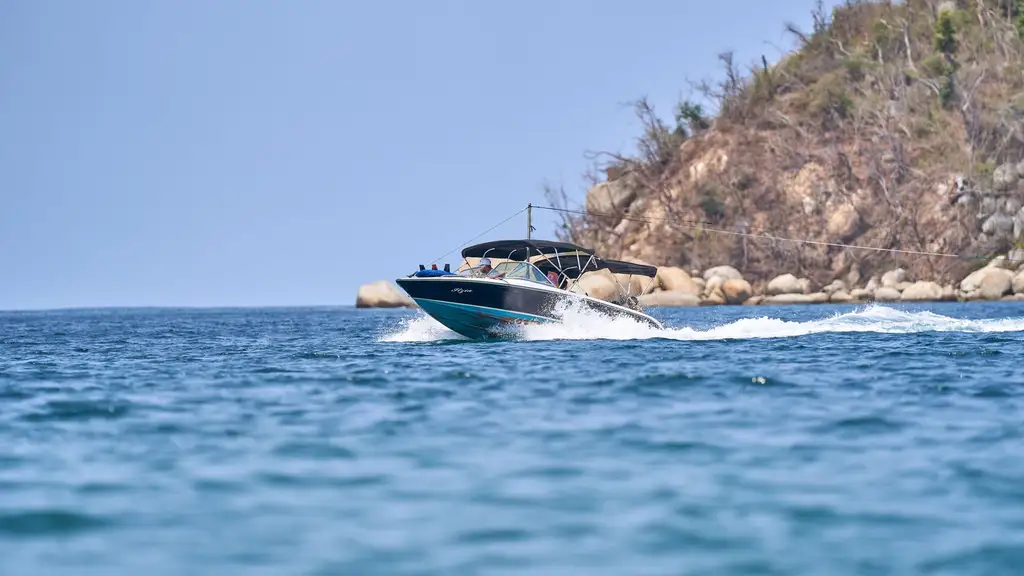
A bowrider is a versatile motorboat with open seating in the bow as well as the cockpit, giving everyone a place to sit and a clear view ahead. It suits families who want one boat for cruising, swimming, and towing, and it is one of the most popular boat types for lakes and sheltered coastal water. The open layout, simple handling, and good performance make it an easy first boat for many buyers.
Bowriders come in many sizes and layouts, from small 16 foot models to larger 26 foot boats with a head compartment and a full set of comforts. The right one depends on how many people you carry, where you boat, and what you want to do on the water. This guide explains the layout, the features, and the checks that matter when you are choosing a bowrider.
What Is a Bowrider
A bowrider has a walk-through windshield that lets passengers move from the cockpit into open seating at the front of the boat. That bow seating is the defining feature, and it turns the whole boat into usable space rather than leaving the bow as a closed deck. Most bowriders have a V-shaped hull, a single outboard or sterndrive engine, and a swim platform at the stern.
The V hull gives a bowrider a smooth ride in a light chop and good handling at speed, which is why it works well on lakes and in sheltered coastal areas. It is not a rough-water boat, and it is not built for overnight stays, but for day trips, swimming, and watersports it is hard to beat. If you want a broader view of boat types, our boat types explained guide compares bowriders with pontoons, deck boats, and centre consoles.
Seating and Layout
Seating is where bowriders shine. The bow seats usually fit two adults or three children, while the cockpit has a helm seat, a passenger seat, and a rear bench or L-shaped lounge. Some models add a sun pad over the engine cover at the stern, which is a popular spot for relaxing at anchor. Check that the seats are deep enough to feel secure when the boat is moving, and that there are grab rails within easy reach.
Look at how people move around the boat. The walk-through should be wide enough to step through without climbing, and the side decks should feel safe when moving forward. Storage under the bow seats and the cockpit seats keeps life jackets, towels, and gear out of the way, and a ski locker in the floor is useful for watersports equipment. A layout that feels open at the dock will feel even better on the water.
Size and Capacity
Bowriders are often sold by length, but capacity matters more than length alone. Check the maximum number of people and the maximum weight, and think about your usual crew plus gear. A boat rated for eight people can feel crowded with eight adults, so choose a size that gives everyone a seat without squeezing. For a family of four or five, a bowrider in the 19 to 23 foot range is a common choice.
A larger bowrider rides more comfortably in a chop and carries more people, but it is heavier to tow and harder to dock. A smaller bowrider is easier to launch, cheaper to run, and simpler to store. Think about your vehicle, your storage, and your local launch ramp before you decide. Our guide to how to choose boat size will help you balance length, capacity, and practical limits.
Engines and Performance
Most bowriders use a single outboard or a sterndrive, and the engine should match the size and weight of the boat. A well powered bowrider planes quickly, holds speed without straining, and pulls a skier or a tube without a long struggle. An underpowered boat will feel slow with a full load and use more fuel, while a very large engine adds cost for little gain on a family boat.
Outboards are popular because they are easy to service, leave more space in the cockpit, and tilt clear of the water when the boat is moored. Sterndrives give a cleaner transom and a lower centre of gravity, which suits some buyers. Either can work well, so focus on the condition of the engine, the service history, and how it performs on a sea trial rather than the type alone. A sea trial will tell you more about an engine than any brochure.
Features Worth Having on a Bowrider
A few features make a real difference on a bowrider. A bimini top gives shade for the cockpit and the rear seats, which matters on sunny days. A swim platform with a ladder makes swimming and boarding easy, especially for children. A depth sounder helps you avoid shallow water, and a stereo system adds enjoyment on long, slow cruises. None of these are essential, but they add comfort that you will notice every trip.
- A bimini top for shade over the cockpit and rear seating.
- A wide swim platform with a sturdy boarding ladder.
- A ski pylon or tow point for watersports.
- Storage under seats, a ski locker, and a cooler or fridge.
For watersports, look for a tow point or ski pylon that is well mounted, and check that the boat has a spotter seat with a clear view of the skier. For swimming, check that the ladder is easy to climb and that the swim platform is not slippery when wet. For family use, a portable toilet or a small head compartment can be useful on longer days, though many smaller bowriders do not have one.
What to Check Before You Buy a Bowrider
Inspect the hull, the deck, and the upholstery before you buy. Look for cracks in the gelcoat, soft spots in the deck, and water stains under seats and in storage compartments. Check the engine from cold, look at the oil and the bilge, and test the steering, the throttle, and the electronics. Upholstery that is torn or faded can be expensive to replace, so factor it into the price if it needs work.
Take the boat for a sea trial with a normal load on board. Check how quickly it planes, how it handles turns, and how it rides in a light chop. Sit in the bow seats while the boat is moving and see whether spray reaches you, and check whether the bow feels secure or exposed. A bowrider that feels stable, dry, and comfortable on a trial is likely to serve a family well for many seasons.
Do not forget the trailer when you buy a bowrider. Check the trailer frame for rust, the tyres for wear and cracking, the lights for working bulbs, and the winch and straps for damage. Make sure the trailer is rated for the weight of the boat, engine, and gear, and that your vehicle can tow that weight safely. Practise reversing the trailer in an empty car park before your first launch, and keep a spare wheel, a jack, and basic tools in the vehicle. A well maintained trailer makes every trip easier, while a neglected trailer can spoil a day before the boat even reaches the water.
What is a bowrider boat?
A bowrider is a motorboat with open seating in the bow as well as the cockpit, reached through a walk-through windshield. It has a V-shaped hull and a single outboard or sterndrive engine. Bowriders suit cruising, swimming, and watersports on lakes and in sheltered coastal water.
Are bowriders good for families?
Bowriders are very good for families because they offer seating for everyone, an open layout, and room for swimming and watersports. Look for deep secure seats, grab rails, a swim platform with a ladder, and shade from a bimini top. Children should wear life jackets and stay seated while the boat is moving.
What size bowrider should I buy?
For a family of four or five, a bowrider between 19 and 23 feet is a common choice, giving room for seating, storage, and gear without being hard to tow or dock. Check the person and weight capacity, not just the length, and choose a size that gives everyone a comfortable seat.
Can a bowrider pull a skier or tube?
Yes, most bowriders can pull a skier or a tube when they have enough power and a proper tow point. Check that the engine planes the boat quickly with a full load and that the tow point is well mounted. Always use a spotter, keep a clear view of the person being towed, and follow local watersports rules.