
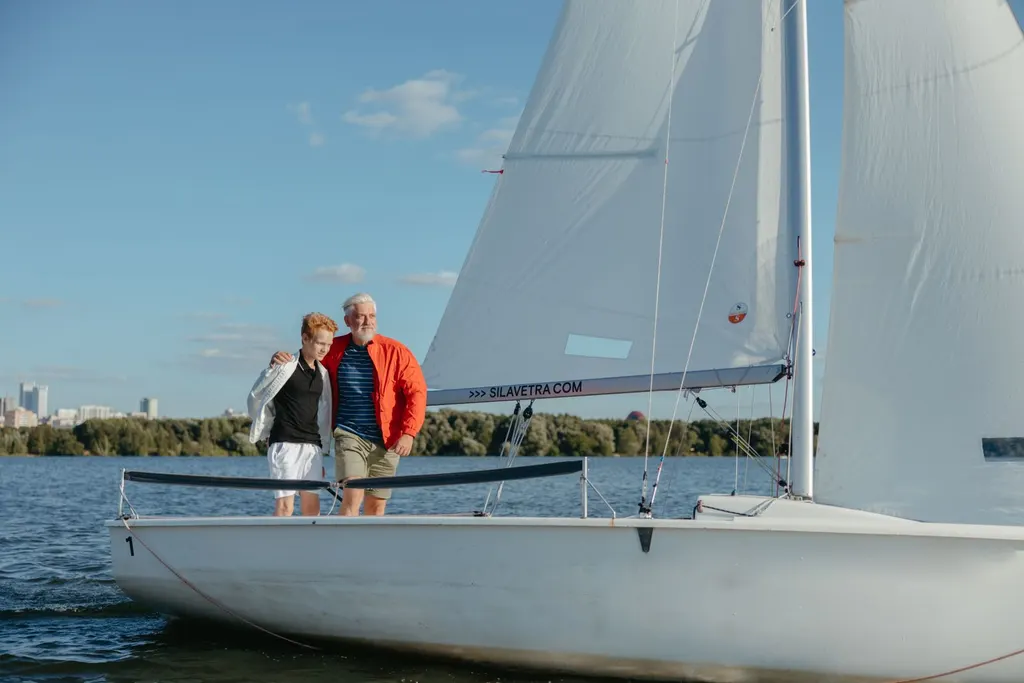
The best boats for families are safe, comfortable, and easy to use, with room for children to move around without feeling crowded. A family boat should have secure seating, good handholds, shade from the sun, and enough space for bags, snacks, and safety gear. It should also be simple to handle, so a day on the water feels relaxed rather than stressful.
Choosing a family boat is different from choosing a boat for fishing or watersports alone. Children need protection from spray and sun, clear walkways, and seating that keeps them secure when the boat moves. Parents need storage, a simple layout, and an engine that is reliable and easy to start. This guide looks at the boat types that work best for families and the features that matter most.
What Makes a Boat Good for Families
Safety comes first in a family boat. Look for high sides, or bulwarks, that keep small children inside the boat, and a layout with few trip hazards. Wide, flat walkways make it easier to move around, and grab rails along the sides give everyone something to hold. A boat with a stable hull that does not roll sharply in a light chop will feel calmer for children and for adults who are new to boating.
Comfort matters too, because a family trip can last several hours. Shade from a bimini top or canopy helps on sunny days, and seating that faces forward or around a table gives everyone a place to sit. Storage under seats keeps life jackets, towels, and food out of the way, and a small changing area or toilet can make a big difference on longer outings. If you are new to boating, our boating basics for new boaters guide covers the skills that make family trips safer and easier.
Pontoon Boats for Relaxed Family Days
Pontoon boats are one of the most popular choices for families, and for good reason. Their wide, flat deck gives children plenty of room to sit and play, and the layout is open and easy to supervise. Most pontoons have comfortable seating around the edges, a table in the middle, and space for a cooler and bags. The hull design is very stable at rest and at low speed, which suits swimming, picnics, and slow cruising.
Pontoons are best on lakes, rivers, and sheltered coastal water, where conditions stay calm. They are not built for rough open water, so match the boat to the water you will actually use. Check the seating capacity, the weight limit, and whether the boat has a gate that closes securely. A bimini top is almost essential for family use, and a ladder at the stern makes it easy for children to climb back on board after swimming.
Bowriders and Deck Boats for Active Families
Bowriders suit families who want a mix of cruising, swimming, and towing. They have seating in the bow as well as the cockpit, which gives everyone a view and a place to sit, and they handle well at moderate speeds. A bowrider with a swim platform and a boarding ladder is easy to use for swimming, and the open layout works well for a family that likes to move around the boat.
Deck boats offer a similar mix with even more space. Their wide beam gives a roomy cockpit and plenty of seating, and many have a head compartment or a changing area. Both types work well on lakes and in sheltered coastal areas, and both can tow a tube or a beginner skier when the children are older. Our bowriders guide explains what to look for in this versatile type, and our deck boats beginner guide covers space, comfort, and use in more detail.
Centre Console and Cabin Boats for Longer Trips
A centre console boat can work well for a family that wants to fish, explore, and travel further from shore. The open deck is easy to clean, the helm is simple, and the boat handles chop better than a pontoon. Look for a model with seating in the bow and at the stern, a bimini top, and a safe place for children to sit while the boat is moving. A small cabin or cuddy gives shelter from spray and a place to rest.
A small cabin boat, or cuddy cabin, adds a covered space that children can use for naps, changing, or shelter from rain. It also gives storage for bags and gear out of the weather. Cabin boats are heavier and need more care when docking, so they suit families who are comfortable with a slightly larger boat. The extra shelter is worth it if you plan full days on the water or trips in changeable weather.
Safety Features Every Family Boat Needs
Every family boat needs properly fitting life jackets for each person on board, including children. Buy jackets sized by weight, not by age alone, and check that they fit snugly and stay in place when lifted by the shoulders. Children should wear a life jacket whenever the boat is moving, and adults should wear one too, especially in rough conditions or when children are in the water.
- Life jackets that fit each child by weight, with a snug fit and crotch strap where needed.
- Secure gates, high sides, and grab rails to keep children safely inside the boat.
- Shade, drinking water, sun protection, and a first aid kit on every trip.
- A working kill switch lanyard, horn, and navigation lights.
Teach children simple boat rules before you leave the dock: stay seated while moving, hold a rail when walking, and never lean over the side. Show them where the life jackets are kept and what to do if someone falls in. A short safety talk at the start of each trip becomes a habit quickly, and it helps children feel confident rather than nervous. Our life jacket buying guide explains how to choose the right jacket for each family member.
Choosing the Right Size and Layout
Size matters more for families than for solo boaters. A boat that feels roomy with two people can feel crowded with four children, bags, and gear. As a general rule, choose a boat with seating for at least one more person than you usually carry, and check the weight capacity as well as the number of seats. A slightly larger boat also rides more comfortably in a chop, which helps children enjoy the trip.
Look at the layout with your family in mind. Can children reach the seats safely? Is there a clear path to the bow? Is the helm easy to reach and simple to use? Does the boat have a swim ladder, a flat area for changing, and storage that keeps the deck clear? A boat that is easy to board from a dock or a beach makes every trip simpler, especially with small children. Take the whole family to see the boat before you buy, and let them sit in the seats and walk the deck.
Before you buy, take the whole family for a test ride in the boat you are considering. Sit in every seat, walk the deck, and check whether children can reach the handholds and climb aboard safely. Watch how the boat handles with your usual load, and see whether the shade, seating, and storage work for a full day rather than a short visit. Ask the seller about the service history, the engine hours, and the condition of the trailer, and take the boat for a sea trial so you can judge comfort and handling on the water. A family boat should feel calm and easy on the first trip, and it should still feel right after a season of regular use. Choosing slowly now saves frustration later, and it gives your family a boat you will all enjoy.
What is the safest boat for a family with small children?
A pontoon boat is often the safest choice for small children because it has a wide stable deck, high sides, and an open layout that is easy to supervise. Bowriders and deck boats with high sides and secure seating also work well. The safest boat is the one with proper life jackets, secure gates, and a layout you can watch easily.
How big should a family boat be?
Choose a boat with seating for at least one more person than you usually carry, and check the weight capacity as well as the seat count. A boat in the 18 to 24 foot range suits many families, giving room for children, bags, and gear without feeling crowded. Larger boats ride more comfortably in a chop.
Should children always wear a life jacket on a boat?
Yes, children should wear a properly fitting life jacket whenever the boat is moving, and whenever they are near the edge or in the water. Choose a jacket sized by weight, check the fit before every trip, and make wearing it a normal habit so children accept it without a fuss.
Are pontoon boats good for families?
Pontoon boats are very good for families on lakes, rivers, and sheltered water. They offer a wide flat deck, comfortable seating, good stability, and plenty of room for swimming and picnics. They are less suited to rough open water, so match the boat to the conditions where you will use it most.