
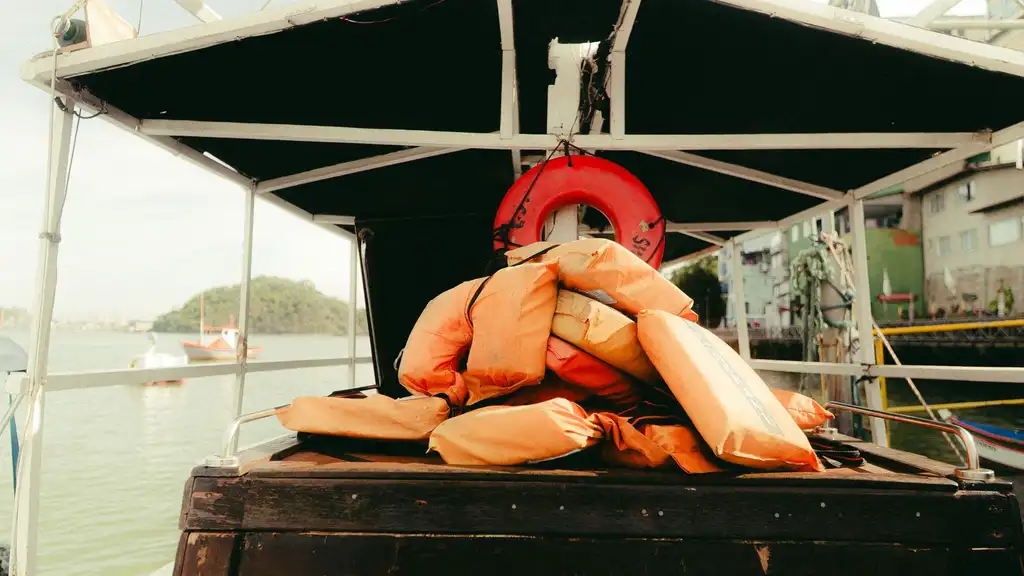
Boat safety basics protect everyone on the water. They cover navigation rules, right of way, visibility, life jackets, speed control, and responsible conduct. A safe boater checks gear, reads the weather, follows the rules, and stays alert for other boats, swimmers, and hazards. Safety is not a single checklist. It is a habit that shapes every decision from launch to docking.
This guide explains the core rules and practices every boater should know. It applies to lakes, rivers, and coastal waters, with notes on where local rules differ. Learn these basics before your first trip, practise them until they feel natural, and refresh them at the start of each season.
Life Jackets and Personal Safety First
Life jackets save lives, but only when worn correctly. Every person aboard needs a life jacket in the right size and in good condition. Children and non swimmers should wear one at all times on deck. Adults should wear one in rough water, at night, when alone, and when the boat is moving fast. A life jacket stored in a locker cannot help in a sudden fall overboard.
Brief your crew before you leave. Show them where life jackets, fire extinguisher, first aid kit, and throwable device are stored. Explain what to do if someone falls overboard: shout, point, throw flotation, and keep the person in sight while the driver turns carefully. For help choosing the right fit, see our life jacket buying guide.
Navigation Rules and Right of Way
Navigation rules prevent collisions. The basic principle is simple: keep a proper lookout, travel at a safe speed, and give way early when in doubt. A boat overtaking another must keep clear. In a crossing situation, the boat with another vessel on its starboard side should give way. A boat under sail generally has right of way over a powerboat, except when the sailing boat is overtaking.
Learn the meaning of channel markers. Red markers mark one side of a channel and green markers mark the other, with the rule for which side to pass depending on your direction of travel. Keep to the right in narrow channels, reduce speed near shore, marinas, and swimming areas, and never create a large wake where it can harm others. For a full beginner overview, read our boating basics for new boaters guide.
Safe Speed and Wake Awareness
Safe speed means you can stop or turn in time to avoid a hazard. It depends on visibility, traffic, wind, current, and closeness to shore. In crowded areas, near swimmers, and in no wake zones, slow to idle speed. A large wake can swamp small boats, damage moored boats, and erode shorelines. Be especially careful near kayaks, paddleboards, and small fishing boats.
At night and in fog, reduce speed further and use navigation lights correctly. Sound signals help other boaters know your position and intentions in low visibility. If you are unsure, slow down. Arriving a few minutes later is always better than risking a collision.
Staying Visible on the Water
Visibility protects you and others. Use navigation lights from sunset to sunrise and in poor visibility. Red and green sidelights show your direction, while a white stern or masthead light shows your position. Keep lights clean and working, and carry spare bulbs. During the day, bright clothing, a radar reflector, and an anchor light at rest help other boaters see you.
Stay visible in other ways too. Avoid blind spots behind other boats, keep a lookout for small craft, and use a horn or whistle to signal your presence when needed. At night, avoid bright white lights on deck that ruin night vision. Our guide to night boating safety tips explains lights, lookout, and speed control after dark.
Navigation Lights Explained
Powerboats show red on port, green on starboard, and white at the stern or masthead. Sailing boats show sidelights and a stern light, with a masthead light when under power. An anchored boat shows an all round white light. Learn the light patterns for your boat type and test them before night trips.
Weather, Alcohol, and Good Judgement
Weather judgement is a core safety skill. Check the forecast before you launch, watch the sky and water as you go, and return early if wind, storms, or visibility worsen. Wind against current creates steep chop, and lightning is a serious risk on open water. If storms are forecast, postpone the trip. No outing is worth the risk.
Never operate a boat after drinking alcohol. Alcohol slows reactions, impairs judgement, and increases the risk of falls overboard. The driver should stay sober, and the crew should drink responsibly. Fatigue, sun, and dehydration also affect judgement, so take breaks, drink water, and use sun protection.
- Check weather before launching and watch for changes.
- Never operate a boat after drinking alcohol.
- Keep a lookout and travel at a safe speed.
- Share a float plan with someone ashore.
Emergency Preparation and What to Carry
Prepare for emergencies before you need them. Carry a VHF radio or charged phone, a first aid kit, a fire extinguisher, flares, a torch, and a throwable device. Know how to call for help, including your location, boat description, and number of people aboard. Keep a copy of emergency numbers and local harbour contacts on board.
Learn basic emergency procedures: man overboard recovery, fire response, taking on water, and engine failure. Practise with your crew in calm conditions so everyone knows their role. Our essential boating gear guide lists the safety and comfort equipment worth carrying on every trip.
Safety for Children and Non Swimmers
Children and non swimmers need extra care. They should wear life jackets at all times on deck and near the water. Teach them to stay seated while the boat is moving, to hold on in turns, and to never lean over the side. Keep a close watch when swimming, use a swim ladder for reboarding, and never leave children unsupervised on a boat.
Plan trips with children in mind. Shorter outings, calm water, shade, snacks, and water keep them comfortable and safe. Brief them on safety rules in simple terms and make it fun, not frightening. A positive first experience builds a lifelong love of boating.
Local rules and training complete the safety picture. Rules for speed, navigation, life jackets, and required equipment vary by waterway, so check the rules for each place you boat, not only your home waters. A basic boating course teaches rules of the road, navigation marks, docking, anchoring, and emergency procedures in a practical way. Refresher training helps even experienced boaters, because rules and equipment change over time. Encourage your regular crew to learn too, so someone else aboard can help in an emergency, handle lines, or call for help. Safety grows stronger when knowledge is shared, and a well briefed crew is one of the best safety features any boat can carry.
Make safety a shared habit, not a solo task. Brief your crew before every trip, practise drills in calm water, and review what went well afterwards. A crew that knows the plan, the gear, and the rules makes every outing safer and far more relaxing for the person at the helm.
What are the basic rules of boating safety?
Basic boating safety means wearing life jackets, keeping a lookout, travelling at a safe speed, and following right of way rules. Check weather and safety gear before launching, share a float plan ashore, and never operate a boat after drinking alcohol. Stay alert for swimmers, small craft, and hazards at all times.
Who has right of way on the water?
In a crossing situation, the boat with another vessel on its starboard side should give way. A boat overtaking another must keep clear. A sailing boat generally has right of way over a powerboat, except when overtaking. When in doubt, give way early and communicate your intentions clearly to avoid confusion.
What navigation lights do I need at night?
Powerboats need red port and green starboard sidelights plus a white stern or masthead light. Sailing boats need sidelights and a stern light, with a masthead light when under power. An anchored boat shows an all round white light. Test lights before night trips and carry spare bulbs.
What should I do if someone falls overboard?
Shout and point at the person, throw flotation, and keep them in sight. Turn the boat carefully and approach slowly into wind or current. Stop the engine when close, help the person aboard over the stern or ladder, and check for injury. Practise man overboard drills with your crew in calm water.