
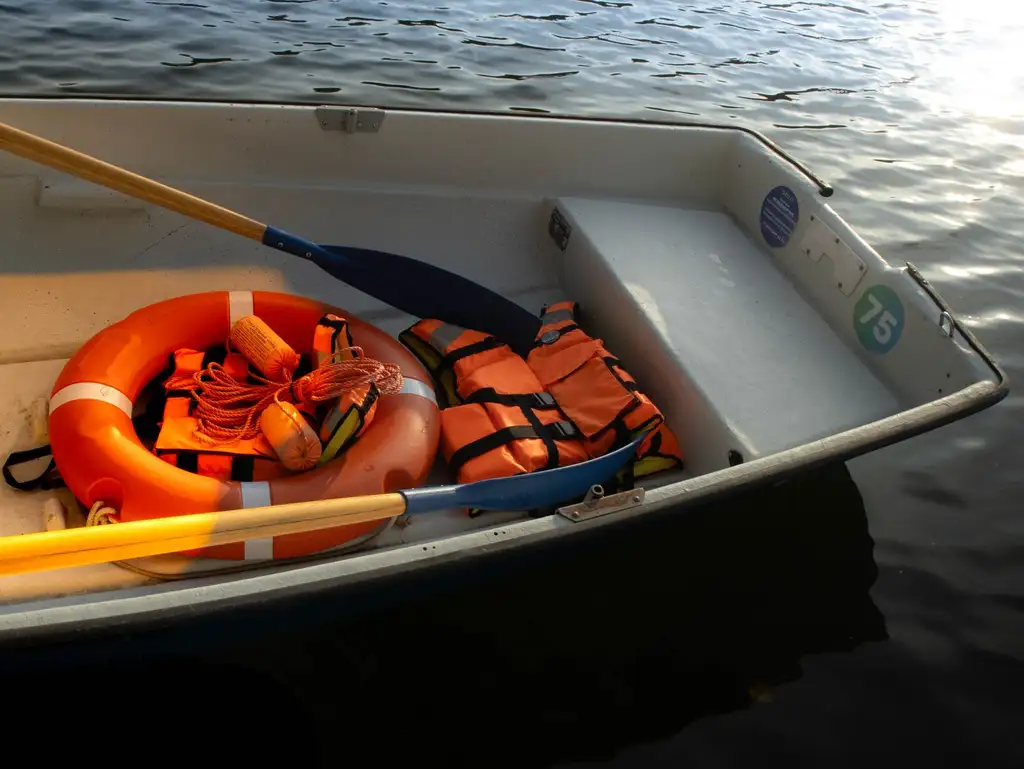
Essential boating gear keeps you safe, comfortable, and ready for problems on the water. The right kit starts with life jackets and safety equipment, then adds navigation, communication, and comfort items that suit your boat and your waters. A well organised kit is easy to find, easy to use, and checked before every trip, not bought once and forgotten in a locker.
This guide covers what to carry, how to choose it, and how to keep it in good condition. It applies to lakes, rivers, and coastal boating, with notes on where needs differ. Build your kit gradually, prioritise safety first, and replace worn or out of date gear before it fails when you need it most.
Life Jackets: The Most Important Gear
A life jacket for each person aboard is the single most important item. It must fit correctly, be in good condition, and be worn when needed. Children and non swimmers should wear one at all times on deck. Adults should wear one in rough water, at night, when alone, and whenever the boat is moving fast. A life jacket stored in a locker does not help in an emergency.
Choose the right type for your activity. Standard foam life jackets are simple and reliable. Inflatable life jackets are comfortable for all day wear but need regular servicing and are not suited to all users. Check buoyancy rating, size, straps, and zips. Our guide to the life jacket buying guide explains sizing, types, and fitting in detail.
Safety Equipment Every Boat Needs
Beyond life jackets, every boat needs a throwable flotation device, a fire extinguisher, navigation lights, a sound signalling device, a first aid kit, and a bailer or working bilge pump. An anchor with enough line, a paddle or oar, and a torch are also essential. Check local safety rules for your waters, because required equipment varies by boat size and area.
Keep safety gear easy to reach and in good condition. Test the bilge pump, check extinguisher pressure and expiry, and replace flares before they expire. Store a first aid kit in a dry, accessible place and know how to use it. Our boat safety equipment checklist gives a full list you can use before each season.
- Life jackets for each person, plus a throwable device.
- Fire extinguisher, first aid kit, torch, and sound signal.
- Anchor and line, paddle, bailer or bilge pump.
- Navigation lights, VHF radio or charged phone.
Navigation and Communication Gear
Navigation gear helps you stay on course and avoid hazards. A chartplotter or chart app, a compass, and paper charts as backup cover most needs. Learn to read a chart and identify channels, shallow water, and hazards. A depth sounder helps in unfamiliar water. Keep a torch and spare batteries for night use and emergencies.
Communication gear is vital if you need help. A VHF radio is the standard for coastal boating, with channel 16 for distress calls. A charged phone in a waterproof case is useful on lakes and rivers, but signal can be weak. Tell someone ashore your plan before you leave, and carry a whistle as a simple backup signal.
Docking, Anchoring, and Handling Gear
Docking and anchoring gear makes handling easier and safer. Carry enough fenders to protect the hull, lines of suitable length and strength, and a boat hook for picking up lines and buoys. An anchor suited to your boat size and seabed type, with chain and rope, holds you securely. Learn anchoring technique in our guide to anchoring basics.
Keep lines coiled and fenders accessible before you approach a dock or mooring. A spare line is useful if one fails or if you need to tow. Check lines and fenders for wear, and replace frayed rope before it breaks under load. Good handling gear reduces stress in wind and current.
Comfort Gear for Longer Days
Comfort gear makes boating enjoyable for the whole crew. Sun protection, including sunscreen, hats, and a bimini top, prevents burns and heat exhaustion. Water, snacks, and a cooler keep energy up. A dry bag protects phones, keys, and documents. Towels, spare clothes, and a blanket are useful after swimming or in cool weather.
A basic tool kit, spare fuses, duct tape, and cable ties help with small repairs. A multi tool, spare engine oil, and a manual for your engine are useful on longer trips. Keep comfort gear organised in bins or bags so the deck stays clear and safe to move around.
Gear for Bad Weather and Night Boating
Bad weather and night boating need extra preparation. Carry waterproof clothing, extra layers, and a torch with spare batteries. Navigation lights must work, and a radar reflector helps visibility on larger waters. Check the forecast before you leave and have a plan to return early if conditions change. Our guide to boating in bad weather explains how to prepare and when to stay ashore.
At night, reduce speed, keep a sharp lookout, and use navigation lights correctly. A spotlight helps with spotting markers and hazards, but avoid blinding other boaters. For night specific safety, read our guide to night boating safety tips before your first evening trip.
How to Maintain Your Gear Kit
Gear needs regular checks. At the start of each season, inspect life jackets for wear, test inflatables, check extinguisher pressure, replace expired flares, and test lights, radio, and bilge pump. Rinse gear with fresh water after saltwater use and dry it before storage. Keep a checklist and replace items before they fail, not after.
Store gear in dry, accessible places. Life jackets should be easy to grab, not buried under heavy items. Keep a small grab bag with essentials near the helm for emergencies. A tidy, checked kit gives you confidence and leaves you free to enjoy the water, knowing you are ready for the unexpected.
Gear for children and pets needs extra thought. Children need life jackets that fit snugly and are comfortable enough to wear all day. Bring sun hats, sunscreen, water, snacks, and a change of clothes, plus a shaded spot to rest. Pets need a life jacket too, fresh water, shade, and a safe way to reboard after swimming. Keep a first aid kit stocked for minor cuts, stings, and sunburn, and know the nearest landing point if someone needs help ashore. Planning for the youngest and most vulnerable crew members keeps the whole trip safer and calmer.
Electronics and power deserve a place in your kit. A chartplotter, fish finder, or phone app helps with navigation, but always carry a compass and paper chart as backup. Keep a portable charger or spare battery for phones and radios, and protect electronics in dry bags. Check that navigation lights, bilge pump, and radio all work before you leave, and carry spare fuses and bulbs. A small dry box near the helm for keys, wallet, and phone prevents loss and damage. Simple power planning avoids the frustration of a dead device when you need navigation or communication most.
Before every trip, run a quick gear check with your crew. Confirm life jackets fit, the bilge pump works, and the first aid kit is stocked. A five minute check before launching prevents most gear failures on the water.
What gear is essential for a day on a boat?
Essential gear includes a life jacket for each person, throwable device, fire extinguisher, first aid kit, navigation lights, sound signal, anchor and line, paddle, torch, and bilge pump. Add water, sun protection, a dry bag, and communication gear. Check local rules for required equipment on your waters.
How do I choose the right life jacket?
Choose a life jacket that fits your weight and chest size, with secure straps and a comfortable fit. Foam jackets are simple and reliable, while inflatables are comfortable but need servicing. Children and non swimmers should wear one at all times. Test the fit by raising your arms and checking it does not ride up.
Do I need a VHF radio for lake boating?
A VHF radio is standard for coastal boating and useful on large lakes, but a charged phone in a waterproof case may suffice on small sheltered lakes. Check signal coverage and local practice. Always tell someone ashore your plan, and carry a whistle as a simple backup signal if you need help.
How often should I check my boating safety gear?
Check safety gear at the start of each season and before long trips. Test life jackets, bilge pump, lights, radio, and extinguisher pressure. Replace expired flares and worn lines, and service inflatable life jackets on schedule. Rinse gear after saltwater use and store it dry and easy to reach.