Boat types differ in hull shape, layout, power, and purpose, and the right choice depends on where you boat and what you love to do. A fishing boat prioritises open deck and easy washdown. A pontoon prioritises stability and social space. A sailing boat prioritises quiet travel and wind power. Understanding these differences helps you shortlist with confidence instead of comparing boats built for different jobs.
This guide explains the most common boat types in plain terms. You will learn how each one handles, what it does best, where it struggles, and who it suits. Use it as a starting point, then narrow your search to two or three types that fit your waters, your crew, and your budget.
Fishing Boats
Fishing boats are built around open deck space, storage, and practical features. Centre consoles are the most versatile fishing design, with a helm in the middle and walkaround decks for casting from any angle. They offer rod holders, live wells, fish boxes, and easy cleaning. Bass boats are low, fast, and specialised for inland fishing, with casting decks and trolling motors.
Aluminium fishing boats and jon boats suit rivers and small lakes. They are light, durable, and easy to trailer. Larger offshore fishing boats add deeper hulls, more fuel capacity, and shelter for rough water. If fishing is your main activity, our guide to fishing boats how to choose explains hulls, layouts, and features in more detail.
Pontoon Boats
Pontoons float on two or three tubes and offer a wide, flat, stable deck. They are ideal for relaxed family days, swimming, picnics, and slow cruising on lakes and rivers. Seating is spacious and social, boarding is easy, and the ride is comfortable at low speed. Modern pontoons can also handle watersports with enough engine power and a third tube for lift.
Pontoons are less suited to rough open water, where waves can hit the deck, and to high speed handling in chop. They are also wider to trailer and store. For calm water use, though, few boats match a pontoon for comfort per size. Read our pontoon boats guide for layouts, power choices, and buying tips.
Bowriders and Deck Boats
Bowriders are social runabouts with open seating in the bow and cockpit. They suit lakes and calm coastal waters for cruising, swimming, and light watersports. They are easy to drive, quick to plane, and available in a wide range of sizes. Deck boats are similar but wider, with more deck space and seating for larger groups.
Both types handle best in sheltered water. In chop they can take spray over the bow, so check freeboard and hull depth if you boat on larger lakes. Their versatility makes them popular first boats, especially for families who want one boat for several activities. Our bowriders guide covers seating, power, and what to check when buying.
Centre Console Boats
Centre consoles place the helm in the middle of the boat, leaving a full walkaround deck. This layout suits fishing, diving, and work use, because you can move freely and handle lines or rods from any side. They are simple, practical, and easy to clean, with storage under seats and in the console.
Many centre consoles have a T top for shade and rod storage. Larger models handle coastal water well, while smaller models suit bays, estuaries, and lakes. They offer less shelter and seating comfort than cabin boats, so they suit active use more than relaxed lounging. Compare them with cabin designs in our centre console vs cabin boat guide.
Cabin Boats and Day Cruisers
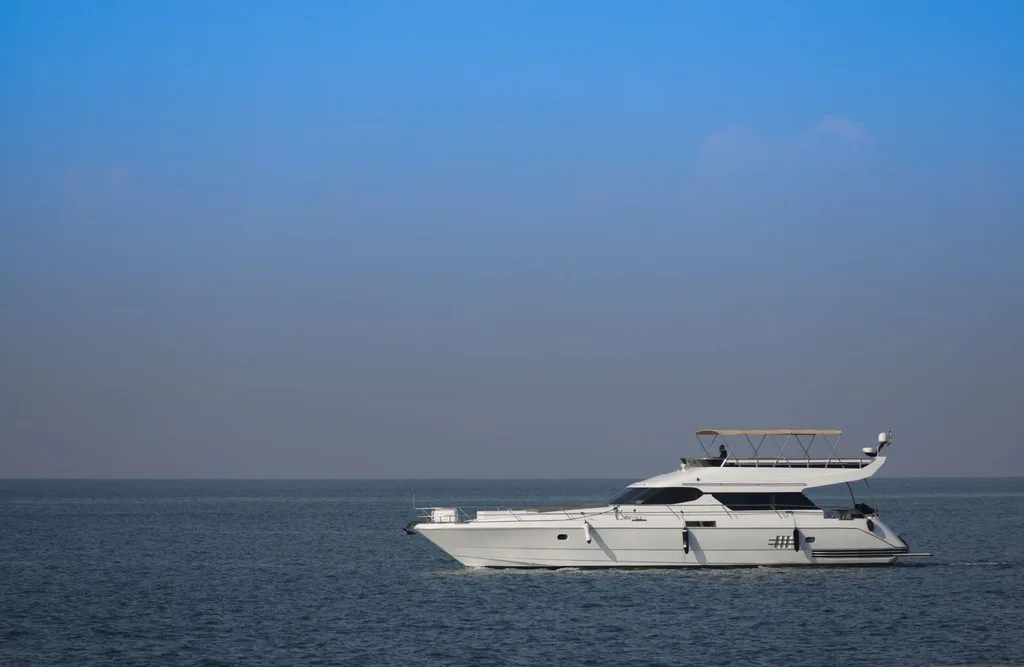
Cabin boats and day cruisers add shelter, a small galley, a toilet, and sleeping space for longer trips. They suit couples and families who want comfort, shade, and overnight ability. A cuddy cabin offers a small sheltered space forward, while an express cruiser offers a full cabin with seating, cooking, and berths below deck.
These boats are heavier, cost more to run, and need more maintenance because of extra systems such as water, toilet, and shore power. They also need a larger tow vehicle or marina berth. The trade off is comfort and range. For help choosing a cruiser layout, see our guide to day cruisers how to pick.
Sailing Boats
Sailing boats use wind power, with an engine for docking and calm days. Dinghies are small, light, and ideal for learning sail handling on lakes. Daysailers add a small cabin and more stability for family sailing. Cruising yachts offer cabins, galleys, and sleeping space for longer voyages, while catamarans offer wide decks and stability from two hulls.
Sailing is quiet, economical, and rewarding, but it needs skill, patience, and time to learn. Sails, rigging, and keels add maintenance. If you are curious about learning, start with a basic course and a small dinghy or daysailer. Our sailing basics for beginners guide explains wind, sails, and first steps.
How to Choose Between Boat Types
Start with your top three activities and your waters. List how often you will fish, cruise, swim, waterski, or sail. Then match those activities to hulls and layouts. A boat that does one thing well is often better than a boat that tries to do everything. Test ride shortlisted types when you can, because handling and comfort are hard to judge from photos alone.
- Calm lakes and family days: pontoon, bowrider, or deck boat.
- Fishing first: centre console, bass boat, or aluminium fishing boat.
- Longer trips and shelter: cabin boat or day cruiser.
- Quiet travel and sailing skill: dinghy, daysailer, or cruising yacht.
Also consider storage, towing, fuel use, and maintenance. A simpler boat with fewer systems is easier to own. A larger boat with more comfort costs more to run and store. The right type is the one that fits your real trips, not an imagined ideal. When you find it, the rest of the buying process becomes much clearer.
Hull shape affects ride more than any other feature. A flat bottom hull is stable at rest and works well in shallow water, but it can pound in chop. A modified V hull balances stability and comfort for mixed use. A deep V hull cuts through waves smoothly and suits larger lakes and coastal water, yet it needs more power and can roll more at rest. A catamaran hull uses two hulls for stability and space, while a pontoon uses tubes for a flat, steady deck. Ask how each hull behaves in the conditions you will meet most often, and test ride in a light chop if you can.
When you compare boats, look beyond length and focus on beam, weight, and layout. A wider boat often feels more stable than a longer narrow one. Weight affects towing, fuel use, and handling in wind. Layout decides whether your crew can move safely and store gear without clutter. Check access to the engine, bilge, and batteries, because easy access makes maintenance simpler and cheaper. Sit at the helm and check visibility in all directions, reach to controls, and comfort of seating for long runs. Small details like handholds, non slip decks, and dry storage shape daily enjoyment more than top speed figures ever will.
What is the most versatile boat type?
A bowrider or centre console is often the most versatile choice. Bowriders suit family cruising, swimming, and light watersports on lakes and calm coastal water. Centre consoles suit fishing, diving, and open deck use. The best versatile boat depends on your waters, crew, and whether fishing or social cruising matters more.
What boat type is best for calm lakes?
For calm lakes, a bowrider, deck boat or pontoon all work well, depending on your crew and activities. Bowriders suit swimming and watersports, deck boats give extra space for groups, and pontoons offer stability and easy boarding. Match the layout to how you will spend most of your time on the water.
What is the difference between a bowrider and a deck boat?
A bowrider has open bow seating and a narrower hull, while a deck boat is wider with more deck space and seating for larger groups. Both suit social cruising and watersports on sheltered water. Deck boats feel roomier at rest, while bowriders often handle chop slightly better. Test both to feel the difference.
Should I choose a fishing boat or a family boat?
Choose a fishing boat if fishing is your main activity most trips, and a family boat if social cruising, swimming, and comfort matter more. Some centre consoles and deck boats balance both needs with open decks and comfortable seating. Rank your top three activities first, then pick the layout that serves them best.
2 thoughts on “Boat Types Explained Fishing Sailing Pontoon and More”