
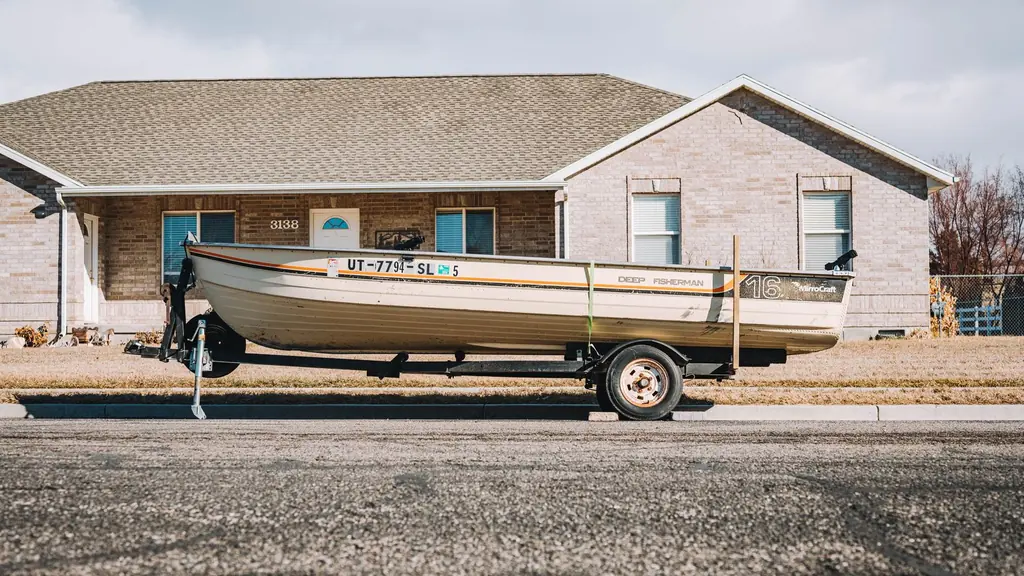
A good boat trailer makes every trip easier, from the driveway to the ramp and back again. The right trailer fits your boat properly, carries its weight safely and lets you launch and retrieve without stress. Choosing well starts with knowing your boat, your tow vehicle and the ramps you will use most often.
Why the Right Trailer Matters
A trailer that is too small strains its frame, tyres and bearings, while one that is far too large can make loading awkward and towing less stable. A well matched trailer supports the hull evenly, keeps the boat centred and tracks straight behind your vehicle. It also protects your investment, because poor support can damage the hull over time, especially on longer journeys or rough roads.
Think of the trailer as part of the boat, not an afterthought. Many new owners focus on the boat itself and treat the trailer as a simple accessory, then discover problems at the ramp or on the motorway. A little research before you buy saves money, avoids breakdowns and gives you confidence every time you tow. If you are still deciding on the boat itself, our guide to how to choose the right boat size will help you match boat and trailer from the start.
Trailer Types and Which One Suits Your Boat
Most boat trailers fall into two main designs. Bunk trailers support the hull on long carpeted bunks, which spread the weight across a wide area and suit many hull shapes. Roller trailers use a series of rollers that make launching and retrieving easier, especially in shallow water or on ramps with a gentle slope. Each design has strengths, and the best choice depends on your hull shape, the ramps you use and how often you launch.
Bunk trailers are simple, sturdy and kind to hulls, but they need deeper water at the ramp because the boat must float off the bunks. Roller trailers let you winch the boat on and off with less water depth, which helps on tidal ramps or shallow launches. Some owners prefer a combination design with bunks at the rear and rollers at the front. Talk to other owners of the same boat model and ask what works for them before you decide.
Sizing and Weight Capacity
The single most important number is the trailer load capacity, which must comfortably exceed the combined weight of the boat, engine, fuel, gear and everything else you carry aboard. Add up the full loaded weight rather than the bare hull weight, and leave a sensible margin. A trailer rated only just above the dry weight will be overloaded on real trips, which wears bearings, overheats tyres and shortens the life of the whole rig.
Length matters too. The trailer should support the hull from the transom forward, with the transom sitting near the rear of the bunks or rollers rather than hanging past them. Too much overhang puts strain on the transom, while a trailer that is far too long is hard to manoeuvre. Check the towing capacity of your vehicle as well, including the tow bar rating and the maximum nose weight, and make sure the whole combination stays within those limits.
Brakes, Bearings and Running Gear
Heavier trailers need brakes, and the type depends on the weight and the rules where you tow. Overrun brakes are common on boat trailers and work mechanically when the trailer pushes against the tow vehicle. Larger rigs may use electric brakes with a controller in the cab. Whichever system you have, test it before every season and after long periods of standing, because brake parts corrode quickly near salt water.
Wheel bearings are the most common cause of trailer breakdowns. They work hard, they get dunked in water at the ramp and they are easy to neglect. Grease them regularly, check for play by rocking the wheel, and listen for grinding or rumbling on the road. Bearing buddies or similar grease caps help keep water out, and carrying a spare bearing kit, a jack and a wheel brace turns a roadside failure into a short delay instead of a ruined day.
Towing Safely on the Road
Safe towing starts before you move. Check that the coupling is locked onto the tow ball, the safety chain or cable is attached, the jockey wheel is raised and secured, and all lights work. The load should sit slightly nose heavy, with enough weight on the tow ball to keep the trailer stable, but never more than the tow bar rating allows. A trailer that sways usually has too little nose weight or a load that has shifted.
On the road, leave extra following distance, brake earlier and take corners wider than you would without a trailer. Reversing takes practice, so find a quiet car park and learn how the trailer responds to small steering inputs before your first ramp visit. If the trailer starts to sway, ease off the accelerator gently and let it settle rather than braking hard. Regular checks of tyres, lights and straps during a long journey are a habit worth building.
Launching and Retrieving at the Ramp
A smooth launch is mostly preparation. Before you back down, remove the transom straps, fit the drain plug, load gear into the boat and check the engine starts or the sails are ready. Prepare everything in the staging area, not on the ramp, so other boaters are not waiting. Back down slowly and straight, using a spotter if you have one, and stop when the boat floats free or reaches the point where a gentle push launches it.
Retrieving is the reverse. Approach the trailer slowly, keep the boat centred and winch it snugly onto the bow stop before pulling out. Drive out gently and clear the ramp before you secure straps, remove the drain plug and tidy gear. Ramps get busy, so a calm, practised routine helps everyone. If you are new to this, watch experienced boaters for a while and ask questions, most are glad to help. Our guide on how to dock a boat covers the slow speed boat handling that makes ramp work easier too.
Trailer Care and Storage
A trailer that lives outdoors needs regular care. Rinse it with fresh water after salt water use, paying attention to brakes, springs and the winch. Check the frame for rust, especially around welds and joints, and treat any spots early. Tyres age even when they look fine, so check the sidewalls for cracks and replace tyres that have been standing in sunlight for years, regardless of tread depth.
When the boat is stored, keep the trailer tyres off bare ground if you can and cover them from sunlight. Grease the bearings before a long layup, release the handbrake if the trailer has one, and use chocks instead. A short service before the season starts, covering bearings, brakes, lights and straps, costs far less than a breakdown on the way to the water. Keeping on top of small jobs is the same habit that makes a good boat maintenance schedule work, and it keeps the whole rig ready to go.
How do I know what size trailer my boat needs?
Match the trailer load capacity to the full loaded weight of your boat, engine, fuel and gear, with a sensible margin above it. The trailer should support the hull from the transom forward without the transom hanging past the bunks or rollers. Check your vehicle towing capacity too, including the tow bar rating and nose weight limit.
Are bunk trailers or roller trailers better?
Bunk trailers support the hull over a wide area and suit many hull shapes, but they need deeper water at the ramp. Roller trailers make launching and retrieving easier in shallow water or on gentle ramps. The best choice depends on your hull shape, the ramps you use and how often you launch.
How often should I service my boat trailer bearings?
Grease the bearings at least once a season and before any long journey, and inspect them whenever the trailer has been standing for months. Check for play by rocking the wheel and listen for grinding on the road. Carry a spare bearing kit, a jack and a wheel brace so a failure does not end your trip.
Why does my trailer sway when I tow?
Sway usually means too little weight on the tow ball or a load that has shifted during the journey. Check that the boat sits slightly nose heavy and that heavy gear is secured low and forward. If sway starts, ease off the accelerator gently and let the trailer settle instead of braking hard.